Why You’ll Love Cabbage Stir Fry (Easy 30-Min Recipe)
Quick and easy: I prepare this delicious meal in just 30 minutes.
One-pan recipe: I love having fewer dishes to clean afterward.
Packed with vegetables: Cabbage, carrots, onions, and bell peppers add flavor and texture.
Protein-rich: Chicken makes this stir fry filling and satisfying.
Customizable: I can easily swap the protein or adjust the sauce.
Great for meal prep: I can prepare the ingredients ahead of time.
Ingredients
(Note: All ingredient amounts are listed in the recipe card below.)
Cabbage Stir Fry:
1 lb Boneless skinless chicken breast (cut into 1-inch pieces)
1 tsp Sea salt (divided)
1/2 tsp Black pepper (divided)
2 tbsp Olive oil (divided)
6 cloves Garlic (minced)
2 tbsp Fresh ginger (minced; or 1/2 tsp ground ginger – see instructions)
1/2 large Onion (diced)
1 large Bell pepper (diced)
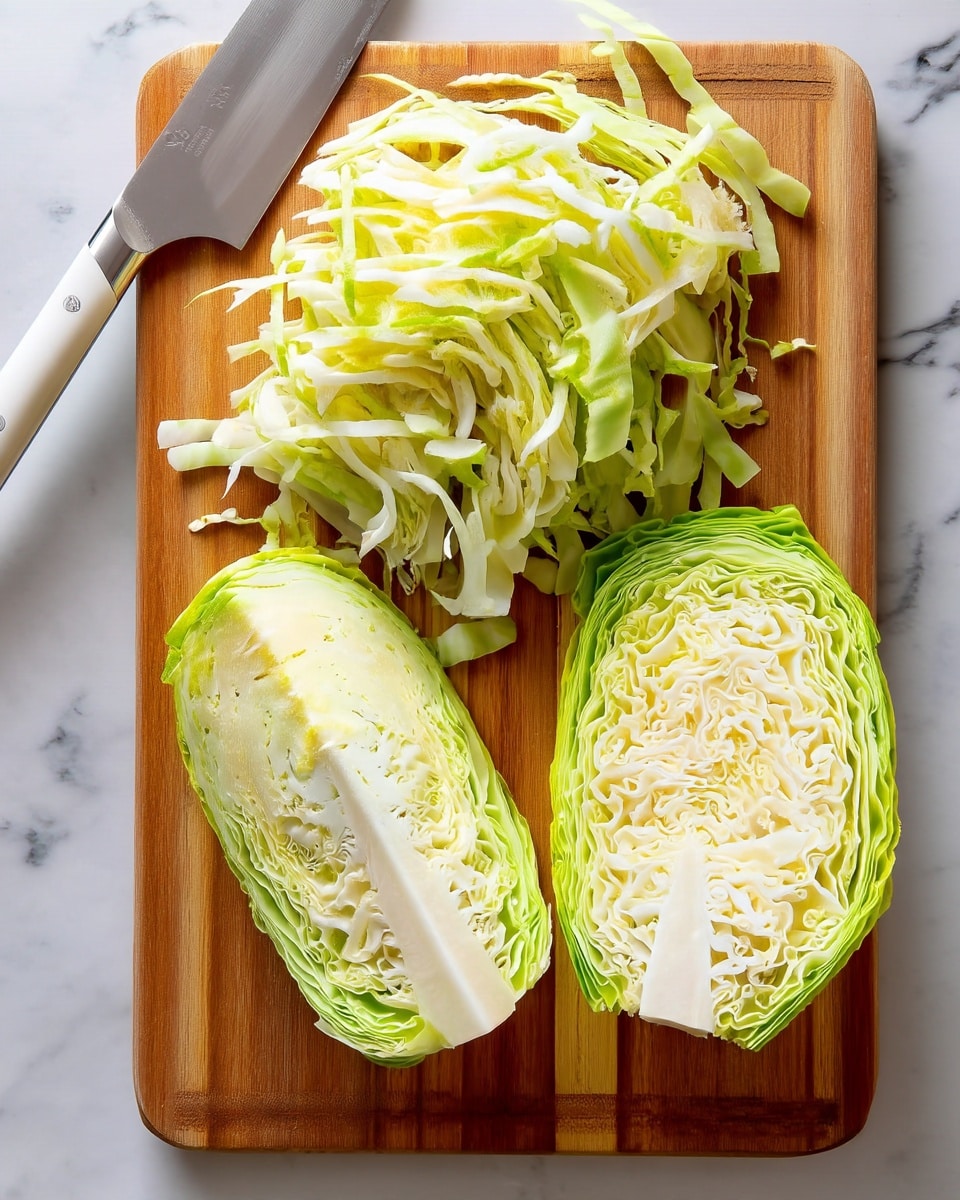
1 medium head Cabbage (chopped or coarsely shredded; ~8-10 cups)
2 medium Carrots (shredded)
1/4 cup Coconut aminos (or low-sodium soy sauce)
2 tbsp Honey (optional; I use Wholesome Yum sugar-free honey)
Optional Garnishes:
2 tsp Toasted sesame oil
1/4 cup Green onions (sliced)
1 tbsp Sesame seeds (optional)
Directions
Step 1: Season the Chicken
I pat the chicken dry with paper towels and season it with 1/2 teaspoon sea salt and 1/4 teaspoon black pepper.
Step 2: Cook the Chicken
I heat 1 tablespoon olive oil in a large skillet or wok over medium-high heat. I add the chicken and cook for 4–6 minutes until golden and cooked through. Then, I transfer it to a plate.
Step 3: Sauté the Aromatics
I reduce the heat to medium and add the remaining olive oil. I sauté the garlic and fresh ginger for 1–2 minutes until fragrant.
Step 4: Cook the Vegetables
I add the onion and bell pepper, cooking for 5–7 minutes until softened. If using honey, I whisk it together with the coconut aminos in a small bowl.
Step 5: Stir Fry the Cabbage
I increase the heat to medium-high and add the cabbage, carrots, and coconut aminos mixture. I season with the remaining salt and pepper, adding ground ginger if I didn’t use fresh. I stir fry for 3–5 minutes until the cabbage becomes tender.
Step 6: Combine and Serve
I return the chicken to the pan and heat everything for another 1–2 minutes if needed. I finish with toasted sesame oil, green onions, and sesame seeds before serving.
Servings and Timing
Prep Time: 10 minutes
Cook Time: 20 minutes
Total Time: 30 minutes
Servings: Approximately 6–8
Serving Size: 1½ cups
Variations
Vegetarian: I replace the chicken with tofu or mushrooms.
Spicy: I add chili flakes, sriracha, or fresh chili peppers.
Low-carb: I use coconut aminos and skip the optional honey.
Extra vegetables: I add broccoli, zucchini, or snap peas.
Different protein: I substitute shrimp, beef, or turkey for chicken.
Sweeter sauce: I add a little honey to balance the garlic and ginger.
Storage/Reheating
Refrigerator: I store leftovers in an airtight container for 3–4 days.
Freezer: I can freeze the stir fry for up to 3 months, although the cabbage becomes softer after thawing.
Reheating: I prefer warming leftovers in a skillet over medium heat, stirring occasionally. For a quicker option, I use the microwave.
Meal Prep: I chop the chicken and vegetables and prepare the sauce ahead of time, storing each separately in the refrigerator until cooking.
FAQs
1. Can I Make Cabbage Stir Fry Ahead of Time?
Yes, I prepare the ingredients in advance and cook everything fresh when needed.
2. What Type of Cabbage Works Best?
I prefer green cabbage because it becomes tender while maintaining a pleasant texture.
3. Can I Use Red Cabbage?
Yes, I can substitute red cabbage, although it changes the color and slightly alters the flavor.
4. How Do I Keep Cabbage From Getting Soggy?
I cook it over medium-high heat for just 3–5 minutes and avoid overcrowding the pan.
5. Can I Make This Recipe Without Chicken?
Absolutely. I replace the chicken with tofu, mushrooms, shrimp, or another preferred protein.
6. Is Cabbage Stir Fry Gluten-Free?
I can make it gluten-free by using coconut aminos or certified gluten-free soy sauce.
7. What Can I Serve With Cabbage Stir Fry?
I enjoy serving it with steamed rice, cauliflower rice, or noodles.
8. Can I Use Ground Ginger Instead of Fresh?
Yes, I substitute 1/2 teaspoon ground ginger for the fresh ginger and add it with the cabbage.
9. Can I Freeze Leftover Cabbage Stir Fry?
Yes, I freeze it for up to 3 months, but I prefer eating it fresh because cabbage softens after freezing.
10. How Do I Add More Flavor?
I add extra garlic, ginger, sesame oil, or a splash of soy sauce for a richer taste.
Conclusion
This Cabbage Stir Fry is a quick, colorful, and satisfying meal I love making when I need dinner on the table fast. With juicy chicken, tender vegetables, and a flavorful garlic-ginger sauce, it delivers delicious results in just 30 minutes. I especially enjoy how easy it is to customize with different proteins and vegetables, making it a reliable favorite for busy weeknights.
This easy Cabbage Stir Fry combines juicy chicken breast, tender cabbage, crisp carrots, colorful bell peppers, and a savory garlic-ginger sauce. Ready in just 30 minutes, this flavorful one-pan dinner is perfect for busy weeknights, healthy family meals, and meal prep.
Ingredients
1 lb boneless skinless chicken breast, cut into 1-inch pieces
Pat the chicken breast pieces dry with paper towels. Season evenly with 1/2 teaspoon sea salt and 1/4 teaspoon black pepper.
Heat 1 tablespoon olive oil in a large skillet or wok over medium-high heat. Add the seasoned chicken in an even layer and cook for 4–6 minutes, stirring occasionally, until golden brown and fully cooked to an internal temperature of 165°F (74°C). Transfer the chicken to a plate and set aside.
Reduce the heat to medium and add the remaining 1 tablespoon olive oil to the same skillet. Add the minced garlic and fresh ginger, stirring frequently for 1–2 minutes until fragrant. Avoid burning the garlic.
Add the diced onion and bell pepper to the skillet. Cook for approximately 5–7 minutes, stirring occasionally, until the vegetables begin to soften while retaining some texture.
In a small bowl, whisk together the coconut aminos and optional honey until combined. Set the sauce aside.
Increase the heat to medium-high. Add the chopped cabbage and shredded carrots to the skillet. Pour the prepared coconut aminos mixture over the vegetables and sprinkle with the remaining 1/2 teaspoon sea salt and 1/4 teaspoon black pepper. If using ground ginger instead of fresh ginger, add it at this stage.
Stir fry the vegetables for 3–5 minutes, tossing frequently, until the cabbage becomes tender but still retains a slight crunch. Avoid overcooking to prevent soggy cabbage.
Return the cooked chicken and any accumulated juices to the skillet. Toss everything together and cook for another 1–2 minutes, if needed, until the chicken is heated through and evenly coated with the savory sauce.
Remove the skillet from the heat. Drizzle with toasted sesame oil, if using, and garnish with sliced green onions and sesame seeds. Serve immediately while hot, either on its own or alongside steamed rice, cauliflower rice, or noodles.
Notes
Best cabbage: Green cabbage is ideal because it becomes tender while maintaining a pleasant crunch. Red cabbage can also be used, although it changes the color and slightly alters the flavor.
Prevent soggy cabbage: Cook the cabbage over medium-high heat for only 3–5 minutes, stirring frequently. Avoid overcrowding the skillet, and cook in batches if necessary.
Vegetarian variation: Replace the chicken with firm tofu or mushrooms. Use a suitable plant-based sweetener instead of honey if making the recipe vegan.
Spicy variation: Add red pepper flakes, sriracha, or finely chopped fresh chili peppers for extra heat.
Low-carb variation: Use coconut aminos, omit the optional honey, and serve with cauliflower rice instead of regular rice.
Extra vegetables: Add broccoli florets, zucchini, snap peas, or additional bell peppers for more color, flavor, and nutrients.
Protein substitutions: Replace chicken breast with shrimp, thinly sliced beef, ground turkey, or another preferred protein. Adjust cooking times accordingly.
Ginger substitution: Replace 2 tablespoons fresh minced ginger with 1/2 teaspoon ground ginger. Add ground ginger when stir frying the cabbage.
Sauce variations: Substitute coconut aminos with low-sodium soy sauce. For a gluten-free version, use coconut aminos or certified gluten-free tamari.
Sweeter sauce: Add the optional honey or sugar-free honey substitute to balance the savory garlic and ginger flavors.
Extra flavor: Add more minced garlic, fresh ginger, toasted sesame oil, or a splash of soy sauce to taste.
Make ahead: Chop the chicken and vegetables and prepare the sauce in advance. Store each component separately in airtight containers in the refrigerator until ready to cook.
Refrigerator storage: Allow leftovers to cool, then refrigerate in an airtight container for up to 3–4 days.
Freezer storage: Freeze cooled stir fry in freezer-safe containers for up to 3 months. The cabbage may become softer after thawing.
Stovetop reheating: Warm leftovers in a skillet over medium heat, stirring occasionally until thoroughly heated. Add a splash of water or coconut aminos if needed.
Microwave reheating: Place individual portions in a microwave-safe dish and heat in short intervals, stirring between intervals until hot throughout.
Serving suggestions: Enjoy with steamed jasmine rice, brown rice, cauliflower rice, rice noodles, or on its own as a vegetable-packed main course.
Nutrition information is approximate per serving, based on 7 servings using coconut aminos, regular honey, and the optional garnishes. Actual values may vary depending on ingredient brands, cabbage size, and portion sizes.