Why You’ll Love Simit (Turkish Sesame Bread) Recipe
I love this Simit recipe because it creates bakery-style bread with a crispy exterior and tender center. The sesame seeds add a wonderful nutty flavor, while the molasses coating gives the crust its distinctive color. I also enjoy how versatile it is for breakfast, sandwiches, or everyday snacking.
Ingredients
(Note: All ingredient amounts are listed in the recipe card below.)
4 C All purpose or Bread Flour , plus little more as needed
1 Tbsp Yeast or 1 pkt
1 Tbsp Sugar
1 ¼ C Water Divided Use
11/4 Tsp Fine Sea Salt (8g)
2 Tbsp Olive Oil
For Crust
½ C Water
2 Tbsp Grape Molasses Notes
½ C Sesame seeds
Directions
Step 1: Activate the Yeast
I warm the water to 100–110°F (38–43°C). I combine ¼ cup of the water with sugar, sprinkle the yeast over it, and let it sit for 10 minutes until bubbly.
Step 2: Prepare the Dough
I mix the flour and salt in a large bowl. I add the activated yeast, olive oil, and remaining water gradually, kneading for approximately 10 minutes until the dough becomes soft and elastic.
Step 3: Let the Dough Rise
I shape the dough into a ball, place it in a lightly oiled bowl, and cover it. I let it rise in a warm place for about 1 hour until doubled in size.
Step 4: Shape the Simit
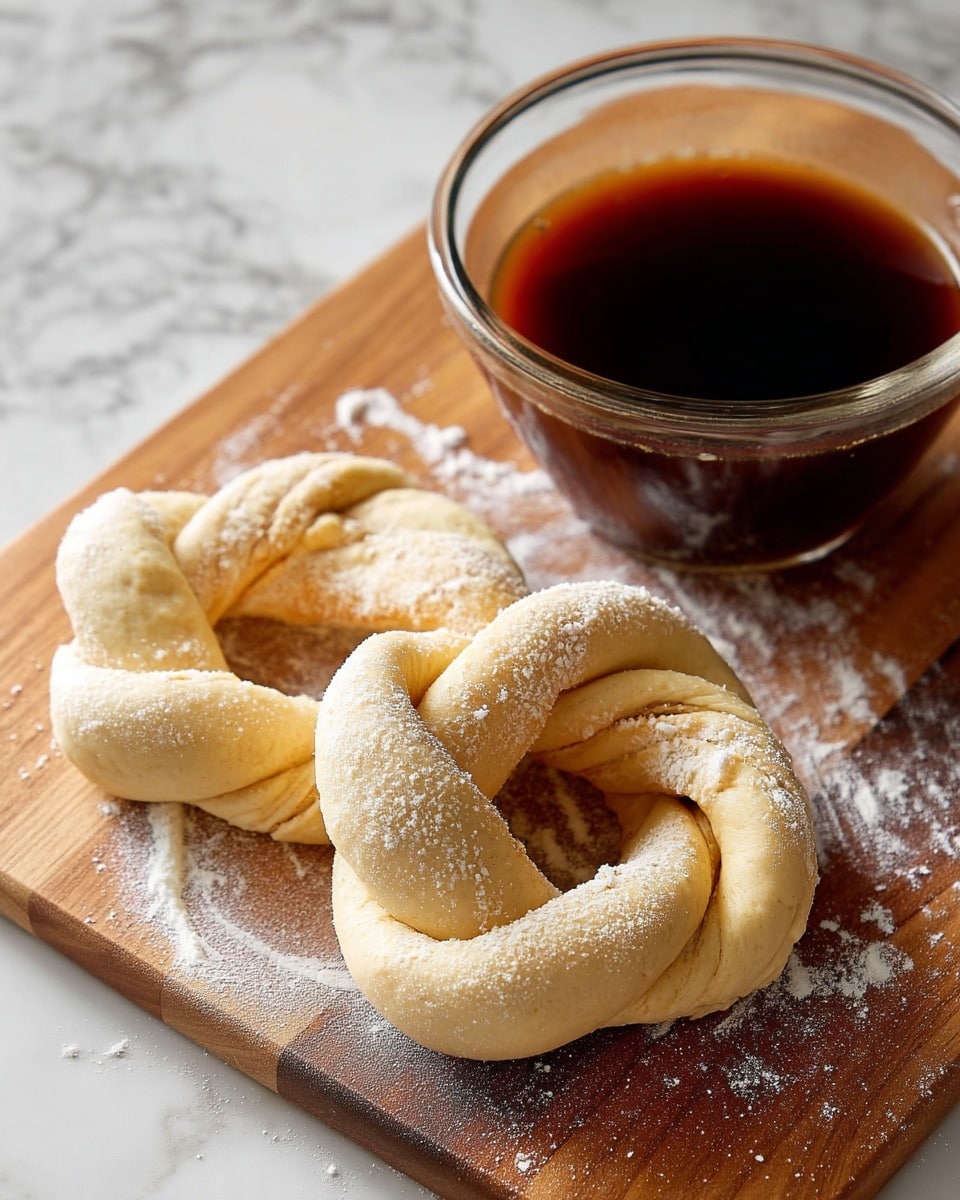
I divide the dough into 10 equal pieces and roll each into a 24-inch rope. I fold each rope in half, twist the strands together, and join the ends to form a ring.
Step 5: Coat with Molasses and Sesame
I mix the grape molasses with ½ cup water in a shallow dish. I dip each ring into the mixture, let the excess drip off, and coat it generously with sesame seeds.
Step 6: Rise and Bake
I arrange the rings on baking sheets, cover, and let them rise for 20–30 minutes. I preheat the oven to 400°F (200°C) and bake for approximately 15 minutes until golden brown.
Step 7: Cool and Serve
I transfer the baked simit to a cooling rack and let them cool slightly before serving.
Servings and Timing
Servings: 10 pieces
Prep Time: Approximately 30 minutes
First Rise: 1 hour
Second Rise: 20–30 minutes
Cook Time: 15 minutes
Total Time: Approximately 2 hours 15 minutes
Course: Bread
Cuisine: Turkish
Calories: Approximately 260 kcal per piece
Variations
Whole Wheat Simit: I replace part of the white flour with whole wheat flour for a heartier texture.
Honey-Coated Simit: I substitute honey for grape molasses when needed.
Pomegranate Simit: I use pomegranate molasses for a slightly tangy crust.
Mixed Seed Simit: I combine sesame seeds with poppy or sunflower seeds.
Cheese-Filled Simit: I add a little cheese inside the dough before shaping.
Storage/Reheating
I store cooled simit in an airtight container at room temperature for up to 2 days. For longer storage, I freeze individual rings for up to 3 months.
To reheat, I warm simit in a 350°F (175°C) oven for 5–8 minutes until the crust becomes crisp again. I prefer serving it warm for the best texture.
FAQs
1. What is Simit?
Simit is a traditional Turkish ring-shaped bread coated with sesame seeds and known for its crunchy crust.
2. Can I make Simit without grape molasses?
Yes, I substitute pomegranate molasses, regular molasses, or honey.
3. What flour works best for Simit?
I prefer bread flour or high-protein all-purpose flour for a chewy texture.
4. Why is my Simit dough too sticky?
I add a small amount of flour while kneading until the dough becomes manageable.
5. Can I prepare the dough ahead of time?
Yes, I refrigerate the dough overnight after the first rise and shape it the following day.
6. How do I get a crunchy crust?
I coat the rings thoroughly with sesame seeds and bake them until deeply golden.
7. Can I use instant yeast?
Yes, I use instant yeast and mix it directly with the dry ingredients.
8. Can I freeze Simit?
Yes, I freeze fully cooled rings in freezer-safe bags for up to 3 months.
9. What can I serve with Simit?
I love serving it with feta cheese, olives, tomatoes, cucumbers, or tea.
10. How do I know when Simit is fully baked?
I look for a golden-brown crust and a firm exterior with a soft interior.
Conclusion
Simit is a delicious Turkish bread with a crunchy sesame coating and soft, chewy center. I love its traditional twisted shape, rich flavor, and simple preparation. Whether enjoyed for breakfast or as a snack, homemade simit is a wonderful bread I enjoy sharing with family and friends.
Traditional Turkish Simit is a delicious twisted ring bread with a crunchy, golden sesame crust and a soft, chewy interior. Coated in grape molasses and generously covered with sesame seeds, this homemade bakery-style bread is perfect for breakfast, snacking, or serving with cheese, olives, and Turkish tea.
Ingredients
4 cups all-purpose flour or bread flour, plus a little extra as needed
1 tablespoon active dry yeast or 1 packet
1 tablespoon granulated sugar
1 1/4 cups warm water (100–110°F / 38–43°C), divided
1 1/4 teaspoons (8 g) fine sea salt
2 tablespoons olive oil
For the Sesame Crust:
1/2 cup water
2 tablespoons grape molasses
1/2 cup sesame seeds
Instructions
In a small bowl, combine 1/4 cup of the warm water with the granulated sugar. Sprinkle the active dry yeast over the water and stir gently. Allow the mixture to rest for approximately 10 minutes, until foamy and bubbly.
In a large mixing bowl, combine the all-purpose flour or bread flour with the fine sea salt. Mix until evenly distributed.
Add the activated yeast mixture and olive oil to the flour. Gradually pour in the remaining 1 cup of warm water while mixing until a soft dough begins to form.
Transfer the dough to a lightly floured work surface and knead for approximately 10 minutes, until smooth, elastic, and slightly tacky. Add a small amount of additional flour only if necessary to make the dough manageable.
Shape the dough into a smooth ball and place it in a lightly oiled bowl. Turn the dough once to coat the surface lightly with oil.
Cover the bowl with a clean kitchen towel or plastic wrap and allow the dough to rise in a warm, draft-free location for approximately 1 hour, or until doubled in size.
Once the dough has risen, gently press it down to release excess air. Transfer it to a lightly floured work surface and divide it into 10 equal portions.
Roll each portion into a long rope approximately 24 inches in length. Fold the rope in half, then twist the two strands around each other to create the traditional braided appearance.
Bring the ends of each twisted rope together to form a ring. Pinch the ends firmly to seal, ensuring the ring holds its shape during rising and baking. Repeat with the remaining dough portions.
Prepare the coating by whisking together 1/2 cup water and 2 tablespoons grape molasses in a wide, shallow dish until fully combined.
Place the sesame seeds in a separate shallow plate or bowl. Dip each shaped dough ring into the diluted molasses mixture, turning to coat all sides. Allow the excess liquid to drip off.
Immediately transfer each coated ring to the sesame seeds and turn gently until the entire surface is generously covered. Press lightly to help the seeds adhere.
Arrange the coated simit rings on parchment-lined baking sheets, leaving enough space between them for expansion. Cover loosely with a clean kitchen towel and allow them to rise for approximately 20–30 minutes.
While the simit completes its second rise, preheat the oven to 400°F (200°C).
Place the baking sheets in the preheated oven and bake for approximately 15 minutes, or until the simit develops a deep golden-brown crust and the sesame seeds become fragrant and lightly toasted.
Remove the baked simit from the oven and transfer the rings to a wire cooling rack. Allow them to cool slightly so the crust can firm up while the centers remain soft.
Serve the Turkish Simit warm or at room temperature with feta cheese, olives, fresh tomatoes, cucumbers, or a cup of traditional Turkish tea.
Notes
Bread flour produces a slightly chewier texture, while all-purpose flour creates a softer interior. Both work well for homemade simit.
Use warm water between 100–110°F (38–43°C) to activate the yeast. Water that is too hot may damage the yeast and prevent the dough from rising properly.
Active dry yeast should become foamy after approximately 10 minutes. If the mixture does not bubble, the yeast may be inactive and should be replaced.
Instant yeast can replace active dry yeast. Mix it directly with the dry ingredients and proceed with the recipe.
The dough should feel smooth, elastic, and slightly tacky after kneading. Avoid adding too much flour, as this can make the simit dry or dense.
Allow the dough to rise until approximately doubled in size. Rising time may vary depending on the room temperature and yeast activity.
For the traditional appearance, roll each dough portion into a long rope, fold it in half, twist the strands together, and securely join the ends to form a ring.
Pinch the ends of the twisted dough firmly to prevent the rings from separating during baking.
Grape molasses, traditionally called pekmez in Turkish cuisine, gives simit its characteristic deep golden color and slightly sweet crust.
If grape molasses is unavailable, substitute regular molasses, pomegranate molasses, or honey. The finished flavor and crust color may vary.
For Honey-Coated Simit, replace the grape molasses with honey for a milder, sweeter coating.
For Pomegranate Simit, use pomegranate molasses for a slightly tangy flavor and rich crust color.
Coat the dough rings generously with sesame seeds for the classic nutty flavor and crunchy exterior.
For a deeper toasted sesame flavor, lightly toast the sesame seeds before coating the dough, taking care not to burn them.
For Whole Wheat Simit, replace part of the white flour with whole wheat flour. Add a little extra water if necessary to maintain a soft, workable dough.
For Mixed Seed Simit, combine sesame seeds with poppy seeds or sunflower seeds for additional texture and flavor.
For Cheese-Filled Simit, add a small amount of cheese inside the dough before shaping and seal carefully to prevent the filling from leaking.
For make-ahead preparation, refrigerate the dough overnight after the first rise. Allow it to become pliable before dividing, shaping, and baking the following day.
For the crispiest crust, bake the simit until deeply golden brown and allow the rings to cool briefly on a wire rack.
Simit is best enjoyed freshly baked, when the sesame crust is crisp and the interior remains soft and chewy.
Store completely cooled simit in an airtight container or resealable bag at room temperature for up to 2 days.
For longer storage, wrap individual cooled simit rings and freeze in freezer-safe bags or containers for up to 3 months.
To reheat, place simit in a preheated 350°F (175°C) oven for approximately 5–8 minutes, or until warmed through and the crust becomes crisp again.
Frozen simit can be thawed at room temperature before reheating in the oven for the best texture.
Serve simit with feta cheese, white cheese, olives, sliced tomatoes, cucumbers, honey, jam, or Turkish tea for a traditional Turkish-style breakfast.
Simit can also be sliced horizontally and used for sandwiches filled with cheese, vegetables, or other favorite ingredients.
The total preparation time is approximately 2 hours 15 minutes, including kneading, rising, shaping, coating, and baking. Actual times may vary depending on room temperature and oven performance.
Nutrition information is estimated per simit based on 10 equal portions and may vary depending on flour type, molasses absorption, and sesame seed coverage.