Rich and flavorful: I love the combination of tender eggplant, seasoned meat, and creamy sauce.
Comforting: The golden béchamel topping makes this dish irresistible.
Make-ahead friendly: I can assemble it in advance and bake it later.
Customizable: I can easily make vegetarian or vegan versions.
Great for leftovers: I enjoy how delicious it tastes the following day.
Ingredients
(Note: All ingredient amounts are listed in the recipe card below.)
3 lbs Eggplant (2 extra-large or 3 eggplants)
salt
3 tablespoons olive oil or spray olive oil
Tomato Meat Sauce:
2 tablespoons olive oil
1 large onion, diced
4 cloves garlic, rough chopped
2 lbs ground lamb, ground beef (or use vegetarian ground meat substitute -Gimme Lean or St Ives Meatless Ground, or use 4 cups cooked lentils). I prefer lamb.
1 1/2 cups diced tomatoes, with juices (or 14-ounce can, with juices)
3 tablespoons tomato paste
1/2 cup vegetable broth
2 teaspoons dried oregano
1 tsp sugar
1 tsp cinnamon
3/4 tsp kosher salt
1/2 teaspoon cracked pepper
2–3 tablespoons fresh chopped parsley
Bechamel Sauce:
3 tablespoons butter or olive oil
4 tablespoons flour
2 cups milk (or plant-based milk)
1/2 teaspoon nutmeg (use fresh grated if possible)
1/4 teaspoon kosher salt
1/8 teaspoon white pepper or finely ground black pepper
1/4 cup grated Parmesan, Pecorino or Kefalotiri Cheese (plus an additional 1/4 cup for the top-optional) or use vegan cheese.
1 egg, room temp, lightly beaten (vegans can leave this out)
Directions
Step 1: Prepare the Eggplant
I preheat the oven to 400°F (200°C). I slice the eggplant into ¼–⅓-inch rounds, sprinkle them with salt, and let them rest for 20–60 minutes. Then, I rinse and pat them dry.
Step 2: Roast the Eggplant
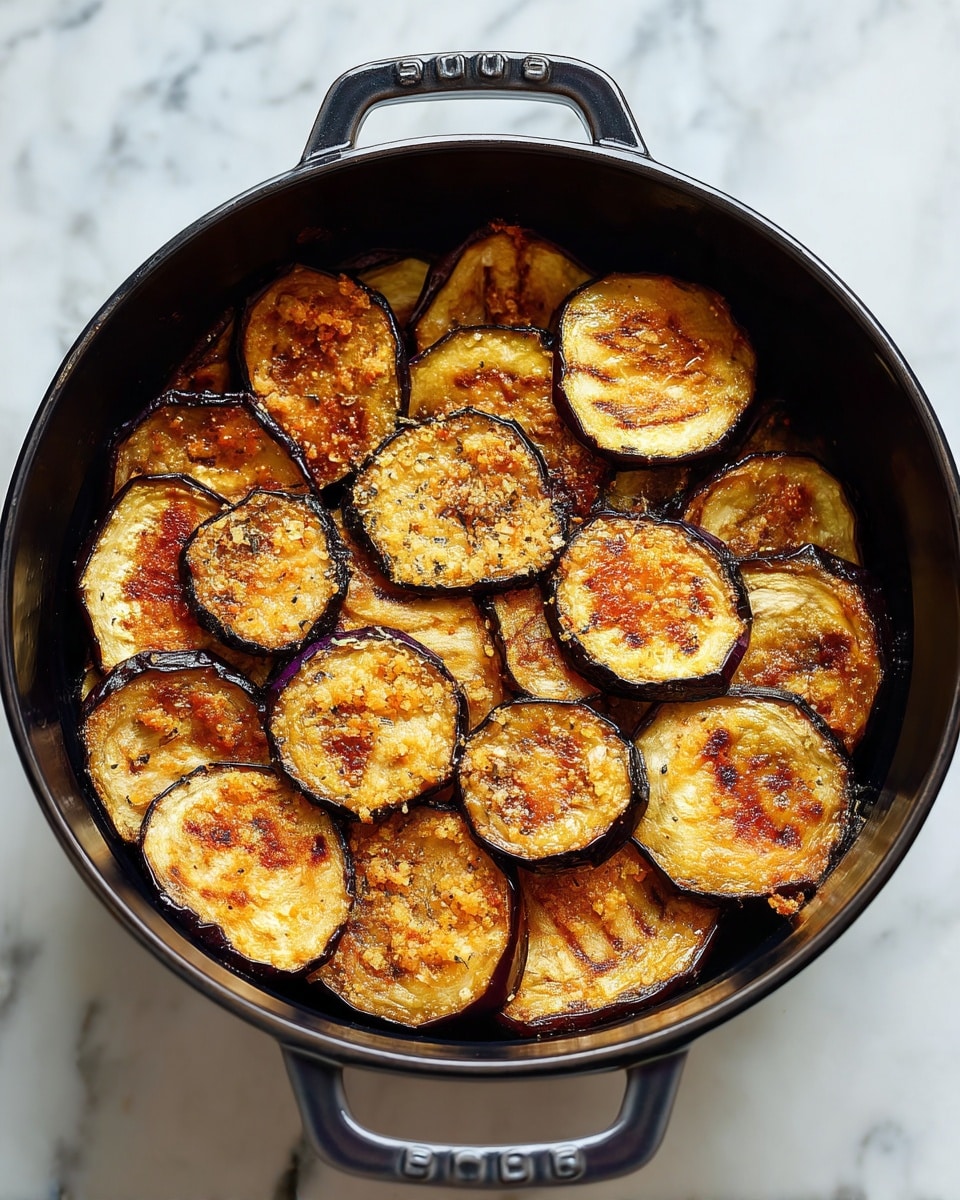
I brush both sides with olive oil and arrange the slices on a parchment-lined baking sheet. I roast them for 20–30 minutes until golden and tender.
Step 3: Prepare the Meat Sauce
I sauté the onion in olive oil for 3–4 minutes, add the garlic, and cook for another 8–10 minutes. I add the ground lamb and brown it for about 15 minutes, draining excess fat.
I stir in the tomatoes, tomato paste, vegetable broth, oregano, sugar, cinnamon, parsley, salt, and pepper. I cover and simmer for 20 minutes until thickened.
Step 4: Make the Béchamel Sauce
I melt the butter in a saucepan, whisk in the flour, and cook for 2–3 minutes. I gradually add the milk, whisking constantly, and simmer until thickened.
I remove the sauce from the heat and stir in the nutmeg, cheese, salt, and pepper. I set it aside to cool slightly.
Step 5: Assemble the Moussaka
I layer the roasted eggplant and meat sauce alternately in a greased 8×13-inch baking dish, creating three eggplant layers and two meat sauce layers.
I gradually whisk 3 tablespoons of warm béchamel into the beaten egg, then stir the egg mixture into the remaining sauce. I spread it evenly over the final eggplant layer.
Step 6: Bake and Serve
I sprinkle additional cheese on top if desired and bake at 350°F (175°C) for 50–60 minutes until golden. I let the moussaka rest for 10 minutes before serving.
Servings and Timing
Prep Time: 1 hour
Cook Time: 2 hours
Total Time: 3 hours
Servings: 8
Variations
Vegetarian: I replace the ground meat with cooked lentils or a vegetarian meat substitute.
Vegan: I use lentils, plant-based milk, olive oil, and vegan cheese while omitting the egg.
Different meat: I substitute ground beef or combine beef and lamb.
Grilled eggplant: I grill the eggplant instead of roasting it for a smoky flavor.
Potato moussaka: I add a layer of thinly sliced, precooked potatoes.
Extra cheesy: I sprinkle additional Parmesan or Pecorino over the béchamel.
Storage/Reheating
Refrigerator: I store leftovers in an airtight container for up to 4 days.
Freezer: I freeze baked moussaka in individual portions for up to 3 months for the best quality.
Oven: I reheat it at 350°F (175°C), covered with foil, until heated through.
Microwave: I warm individual portions until thoroughly heated.
Make Ahead: I assemble the moussaka and refrigerate it for up to 2 days before baking.
FAQs
1. Can I Make Moussaka Ahead of Time?
Yes, I assemble it up to 2 days in advance and refrigerate it until ready to bake.
2. Do I Need to Peel the Eggplant?
No, I leave the skin on because it helps the slices hold their shape.
3. Why Do I Salt the Eggplant Before Cooking?
I salt the eggplant to draw out excess moisture and reduce bitterness.
4. Can I Use Ground Beef Instead of Lamb?
Yes, I use ground beef or a combination of beef and lamb for a delicious alternative.
5. Can I Use Chicken Broth Instead of Vegetable Broth?
Yes, I use chicken broth for a richer, more savory flavor.
6. How Do I Prevent Watery Moussaka?
I roast the eggplant thoroughly and simmer the meat sauce until thick.
7. Can I Make This Recipe Gluten-Free?
Yes, I substitute regular flour with a gluten-free flour blend and check the remaining ingredients.
8. Why Do I Add an Egg to the Béchamel?
I add the egg to create a richer, firmer topping that holds together when sliced.
9. Can I Freeze Moussaka?
Yes, I freeze baked and cooled moussaka in airtight containers for up to 3 months for the best texture.
10. What Can I Serve With Moussaka?
I enjoy serving it with a Greek salad, roasted vegetables, or crusty bread.
Conclusion
This Moussaka is a hearty and flavorful dish I love preparing for comforting family meals. With tender roasted eggplant, richly seasoned meat sauce, and creamy béchamel, every bite is satisfying. I especially appreciate how easily I can prepare it ahead of time or adapt it into a vegetarian or vegan meal.
This traditional Greek-inspired Moussaka features layers of tender roasted eggplant, richly seasoned ground lamb and tomato sauce, and creamy béchamel topped with golden melted cheese. Hearty, aromatic, and comforting, this delicious baked casserole is perfect for family dinners, special occasions, and make-ahead meals.
Ingredients
Eggplant:
3 lbs eggplant (2 extra-large or 3 medium eggplants)
Salt, as needed
3 tablespoons olive oil or olive oil spray
Tomato Meat Sauce:
2 tablespoons olive oil
1 large onion, diced
4 cloves garlic, roughly chopped
2 lbs ground lamb or ground beef (or vegetarian ground meat substitute, such as Gimme Lean or St Ives Meatless Ground, or 4 cups cooked lentils)
1 1/2 cups diced tomatoes with juices (or one 14-ounce can, with juices)
3 tablespoons tomato paste
1/2 cup vegetable broth
2 teaspoons dried oregano
1 tsp sugar
1 tsp ground cinnamon
3/4 tsp kosher salt
1/2 teaspoon cracked black pepper
2–3 tablespoons fresh parsley, chopped
Béchamel Sauce:
3 tablespoons butter or olive oil
4 tablespoons all-purpose flour
2 cups milk (or plant-based milk)
1/2 teaspoon nutmeg, preferably freshly grated
1/4 teaspoon kosher salt
1/8 teaspoon white pepper or finely ground black pepper
1/4 cup grated Parmesan, Pecorino, or Kefalotiri cheese (or vegan cheese)
Additional 1/4 cup grated cheese for the topping, optional
1 egg, at room temperature and lightly beaten (omit for the vegan version)
Instructions
Preheat the oven to 400°F (200°C). Line large baking sheets with parchment paper.
Wash the eggplants and slice them into rounds approximately 1/4–1/3 inch thick. Sprinkle both sides generously with salt and let them rest for 20–60 minutes to draw out excess moisture.
Rinse the eggplant slices thoroughly to remove excess salt, then pat them completely dry with paper towels.
Brush both sides of the eggplant slices with 3 tablespoons olive oil or lightly coat them with olive oil spray. Arrange the slices in a single layer on the prepared baking sheets.
Roast the eggplant for 20–30 minutes, until golden and tender. Remove from the oven and set aside. Reduce the oven temperature to 350°F (175°C).
To prepare the tomato meat sauce, heat 2 tablespoons olive oil in a large skillet over medium heat. Add the diced onion and sauté for 3–4 minutes. Add the chopped garlic and continue cooking for another 8–10 minutes, stirring frequently and reducing the heat if necessary to prevent burning.
Add the ground lamb or beef to the skillet. Cook for approximately 15 minutes, breaking the meat apart with a wooden spoon until browned and fully cooked. Drain any excess fat.
Stir in the diced tomatoes with their juices, tomato paste, vegetable broth, dried oregano, sugar, cinnamon, chopped parsley, kosher salt, and cracked black pepper.
Cover and simmer the meat sauce over medium-low heat for approximately 20 minutes, stirring occasionally, until the flavors develop and the sauce thickens. If necessary, uncover and simmer briefly to reduce excess liquid.
To prepare the béchamel sauce, melt the butter or heat the olive oil in a medium saucepan over medium heat. Whisk in the flour and cook for 2–3 minutes, stirring continuously to remove the raw flour taste.
Gradually pour in the milk while whisking constantly to prevent lumps. Bring the mixture to a gentle simmer and continue whisking until the sauce becomes smooth and thickened.
Remove the béchamel from the heat. Stir in the nutmeg, 1/4 cup grated cheese, kosher salt, and white or black pepper. Set aside and allow the sauce to cool slightly.
Lightly grease an 8×13-inch baking dish. Arrange one-third of the roasted eggplant slices across the bottom of the dish, then spread half of the prepared meat sauce evenly over the eggplant.
Add another layer of roasted eggplant, followed by the remaining meat sauce. Finish with the final layer of eggplant slices, creating three eggplant layers and two meat sauce layers.
Place the lightly beaten egg in a small bowl. Gradually whisk approximately 3 tablespoons of the warm béchamel into the egg to temper it and prevent scrambling. Slowly whisk the tempered egg mixture into the remaining béchamel sauce.
Pour the béchamel evenly over the final eggplant layer and smooth the surface with a spatula. Sprinkle the additional 1/4 cup grated cheese over the top, if desired.
Transfer the assembled moussaka to the oven and bake uncovered at 350°F (175°C) for 50–60 minutes, until the béchamel topping is golden brown, set, and bubbling around the edges.
Remove the moussaka from the oven and allow it to rest for at least 10 minutes before slicing. Serve warm with a Greek salad, roasted vegetables, or crusty bread.
Notes
Best eggplant: Choose firm, fresh eggplants with smooth skins. There is no need to peel them because the skin helps the slices maintain their shape during roasting and assembly.
Salting the eggplant: Allow the salted eggplant slices to rest for 20–60 minutes to draw out excess moisture and reduce bitterness. Rinse and dry thoroughly before roasting.
Prevent watery moussaka: Roast the eggplant until tender and lightly golden, drain excess fat from the meat, and simmer the tomato sauce until sufficiently thick.
Meat selection: Ground lamb provides a rich, traditional Greek-inspired flavor. Ground beef or a combination of lamb and beef also works well.
Vegetarian variation: Replace the ground meat with 4 cups cooked lentils or a suitable vegetarian ground meat substitute. Choose cheese made with microbial or vegetable rennet.
Vegan variation: Use cooked lentils or vegan ground meat, olive oil instead of butter, unsweetened plant-based milk, and vegan cheese. Omit the egg from the béchamel sauce.
Gluten-free variation: Substitute all-purpose flour with a suitable gluten-free flour blend and ensure the broth and remaining ingredients are gluten-free.
Grilled eggplant variation: Grill the eggplant slices instead of roasting them for a deeper, slightly smoky flavor.
Potato moussaka: Add a layer of thinly sliced, precooked potatoes to the bottom of the baking dish for a heartier casserole.
Extra cheesy variation: Sprinkle additional grated Parmesan, Pecorino, or Kefalotiri cheese over the béchamel before baking.
Broth substitution: Chicken broth can replace vegetable broth for a richer, savory meat sauce.
Cinnamon and oregano: These aromatic seasonings give the meat sauce its distinctive Greek-inspired flavor. Adjust the amounts to your preference.
Smooth béchamel: Add the milk gradually while whisking continuously to prevent lumps. Allow the sauce to thicken before removing it from the heat.
Tempering the egg: Gradually whisk a small amount of warm béchamel into the beaten egg before adding it to the saucepan. This prevents the egg from scrambling and creates a richer, firmer topping.
Rest before slicing: Allow the baked moussaka to rest for at least 10 minutes before serving so the layers can settle and hold their shape.
Make ahead: Assemble the moussaka using cooled components, cover tightly, and refrigerate for up to 2 days before baking. Allow additional baking time if cooking directly from the refrigerator.
Refrigerator storage: Cool leftover moussaka promptly and store in an airtight container in the refrigerator for up to 4 days.
Freezer storage: Freeze baked and cooled moussaka in individual portions or freezer-safe containers for up to 3 months. Thaw overnight in the refrigerator before reheating.
Oven reheating: Place leftovers in an oven-safe dish, cover with aluminum foil, and reheat at 350°F (175°C) until thoroughly heated to 165°F (74°C).
Microwave reheating: Transfer individual portions to a microwave-safe plate and heat in intervals until hot throughout.
Serving suggestions: Pair with a traditional Greek salad, roasted vegetables, cucumber salad, or crusty bread for a satisfying meal.
Halal option: Use halal-certified ground lamb or beef, suitable broth, and cheese made with halal-certified or microbial rennet.
Nutrition information is estimated per serving, based on 8 portions using ground lamb, whole milk, butter, olive oil, and Parmesan cheese, including the optional cheese topping. Actual values may vary depending on the meat’s fat content, ingredient brands, and portion sizes.