I love how these beignets turn out incredibly soft on the inside with a lightly crisp exterior. The yeast-based dough gives them that classic airy texture that makes each bite feel almost weightless. I find that the pure vanilla extract adds a warm, sweet aroma that makes them even more irresistible.
I also appreciate how approachable this recipe is. I don’t need any special equipment beyond basic kitchen tools, and the dough comes together smoothly. Watching the dough puff up in the hot oil is one of my favorite parts, and I always feel rewarded when I see those beautiful golden squares ready to be dusted with powdered sugar.
Ingredients
(Note: All ingredient amounts are listed in the recipe card below.)
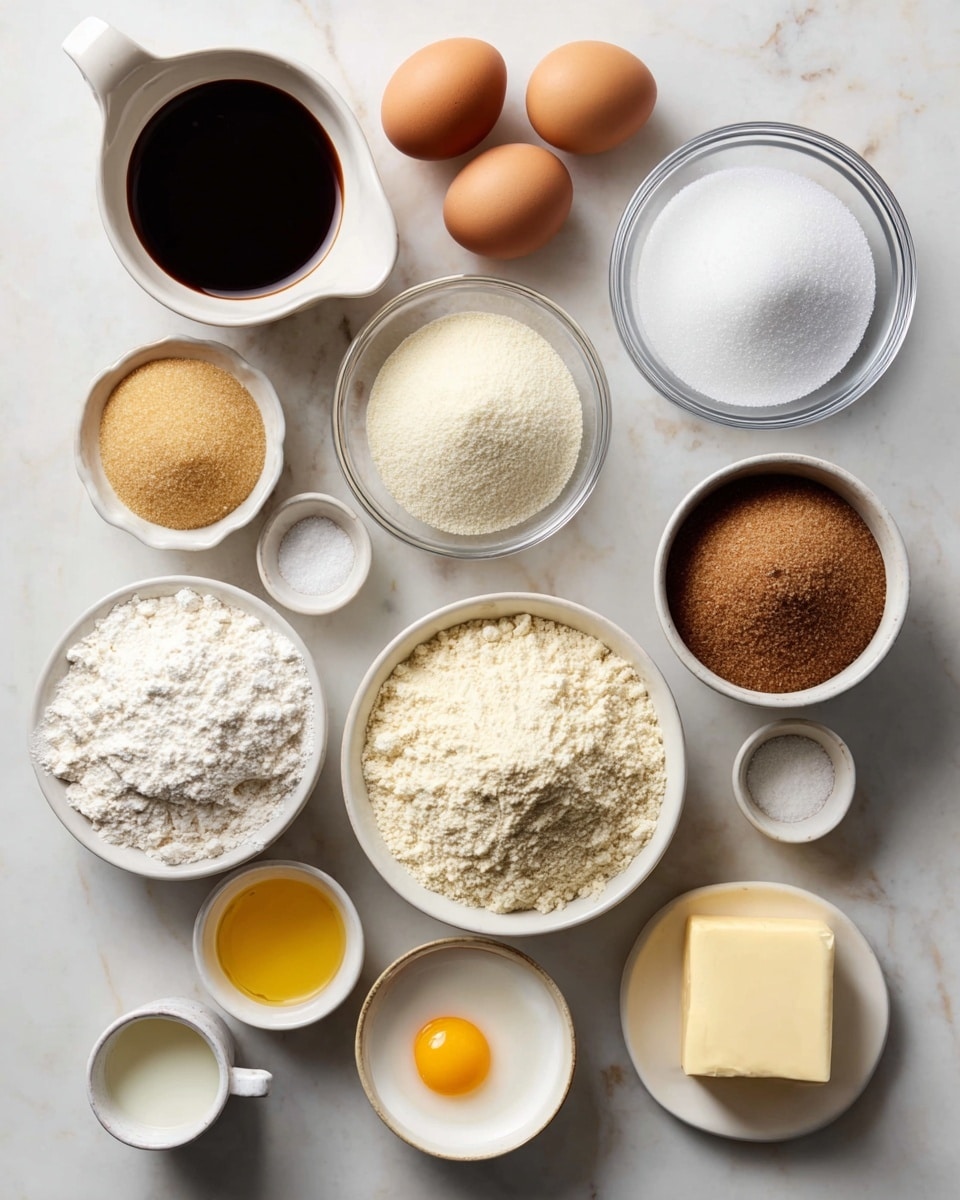
2 ½ teaspoons (1 packet) active dry yeast ¾ cup warm water (about 110°F) ¼ cup granulated sugar 1 large egg ½ cup whole milk 1 teaspoon pure vanilla extract 3 ½ cups all-purpose flour ½ teaspoon salt 2 tablespoons unsalted butter, softened Vegetable oil, for frying Powdered sugar, for dusting
Directions
I start by activating the yeast. In a small bowl, I dissolve the active dry yeast in warm water, making sure the water is around 110°F. I let it sit for 5–10 minutes until it becomes foamy.
In a large mixing bowl, I whisk together the granulated sugar, egg, whole milk, and vanilla extract until smooth. Then I stir in the activated yeast mixture.
In a separate bowl, I whisk together the flour and salt. I gradually add the dry ingredients to the wet ingredients, stirring until a soft dough forms. Once combined, I knead in the softened butter until fully incorporated. The dough should be soft and slightly sticky but still manageable.
I place the dough in a greased bowl, cover it, and let it rise in a warm place for about 1 hour, or until doubled in size.
After the first rise, I turn the dough onto a lightly floured surface and roll it out to about ¼-inch thickness. Using a knife or pizza cutter, I cut the dough into 2–3 inch squares. I place them on a floured baking sheet, cover, and let them rise again for 30–45 minutes until puffy.
I heat vegetable oil in a heavy-bottomed pot to 350°F, making sure the oil is deep enough for the beignets to float. I carefully fry 3–4 pieces at a time for 1–2 minutes per side, until golden brown and puffed.
Once fried, I transfer them to a paper towel-lined plate to drain. While still warm, I generously dust them with powdered sugar before serving.
Servings and Timing
I usually get about 16–20 beignets from this recipe.
I sometimes swap the vanilla extract for almond extract when I want a slightly nutty aroma. If I feel adventurous, I add a little orange zest to the dough for a citrus twist.
For a filled version, I pipe in chocolate spread, pastry cream, or fruit jam after frying. I also enjoy adding a pinch of cinnamon to the powdered sugar for a subtle spiced finish.
Storage/Reheating
I find these beignets are best enjoyed immediately while warm and fresh. If I have leftovers, I store them in an airtight container at room temperature for up to 2 days.
To refresh them, I place them in a 350°F oven for 2–3 minutes to bring back some crispness. I always dust them with fresh powdered sugar before serving again.
If I want to prepare ahead, I freeze the cut, unbaked beignets on a baking sheet, then transfer them to freezer bags. When ready to use, I thaw them, allow extra rising time, and fry as usual.
FAQs
Can I make the dough ahead of time?
I prepare the dough up to 24 hours in advance and refrigerate it after the first rise. I let it come back to room temperature before rolling and cutting.
Why didn’t my beignets puff up?
I check that my yeast is active and that the oil is at 350°F. Insufficient rising time or low oil temperature can prevent proper puffing.
Can I bake these instead of frying?
I know that traditional beignets are fried, and baking changes the texture significantly. I prefer frying for the authentic light and airy result.
How do I know when the oil is ready?
I use a thermometer to reach 350°F. If I do not have one, I drop in a small piece of dough and look for immediate sizzling and floating.
Can I use instant yeast instead of active dry yeast?
I can substitute instant yeast and mix it directly with the dry ingredients, skipping the activation step.
How thick should I roll the dough?
I roll the dough to about ¼-inch thick to ensure proper puffing and even cooking.
Can I flavor the powdered sugar?
I sometimes mix cinnamon or a touch of vanilla sugar into the powdered sugar for extra flavor.
How do I prevent greasy beignets?
I maintain a steady oil temperature at 350°F and avoid overcrowding the pot.
Can I freeze fried beignets?
I prefer freezing them before frying. Fried beignets can be frozen, but I find the texture is best when freshly made.
What oil works best for frying?
I use a neutral oil with a high smoke point, such as vegetable oil, to ensure clean flavor and proper frying.
Conclusion
I find these Vanilla French Beignets absolutely worth the time and care they require. Their soft, airy centers and golden exteriors create a beautiful contrast, while the vanilla aroma makes them truly special. Whenever I serve them, they bring warmth and comfort to the table. With a little patience and attention to detail, I can recreate café-style beignets right in my own kitchen, and I enjoy every single bite.
Classic Vanilla French Beignets made with soft yeast dough, fried until golden and airy, then generously dusted with powdered sugar for a light, café-style treat.
Ingredients
2 1/2 teaspoons (1 packet) active dry yeast
3/4 cup warm water (about 110°F)
1/4 cup granulated sugar
1 large egg
1/2 cup whole milk
1 teaspoon pure vanilla extract
3 1/2 cups all-purpose flour
1/2 teaspoon salt
2 tablespoons unsalted butter, softened
Vegetable oil, for frying
Powdered sugar, for dusting
Instructions
In a small bowl, dissolve the active dry yeast in warm water (about 110°F). Let sit for 5–10 minutes until foamy.
In a large bowl, whisk together sugar, egg, milk, and vanilla extract until smooth. Stir in the activated yeast mixture.
In a separate bowl, whisk together flour and salt. Gradually add dry ingredients to wet ingredients, stirring until a soft dough forms.
Knead in the softened butter until fully incorporated. The dough should be soft and slightly sticky.
Place dough in a greased bowl, cover, and let rise in a warm place for about 1 hour or until doubled in size.
Turn dough onto a lightly floured surface and roll to 1/4-inch thickness. Cut into 2–3 inch squares using a knife or pizza cutter.
Place squares on a floured baking sheet, cover, and let rise again for 30–45 minutes until puffy.
Heat vegetable oil in a heavy-bottomed pot to 350°F.
Fry 3–4 beignets at a time for 1–2 minutes per side until golden brown and puffed.
Transfer to a paper towel-lined plate to drain. Dust generously with powdered sugar while still warm and serve.
Notes
Ensure yeast is active and oil temperature stays at 350°F for proper puffing.
Do not overcrowd the pot while frying to maintain even cooking.
Beignets are best served fresh and warm.
Store leftovers in an airtight container at room temperature for up to 2 days.
Reheat in a 350°F oven for 2–3 minutes and dust with fresh powdered sugar before serving.
Dough can be refrigerated after first rise for up to 24 hours.
Freeze cut, unbaked beignets and thaw with extra rising time before frying.