No kneading required: I can make soft, delicious bread with minimal effort.
Beginner-friendly: The simple method makes bread baking approachable.
Soft and fluffy: I love the rich, tender texture.
Flexible starter: I can use sourdough starter or a quick yeast mixture.
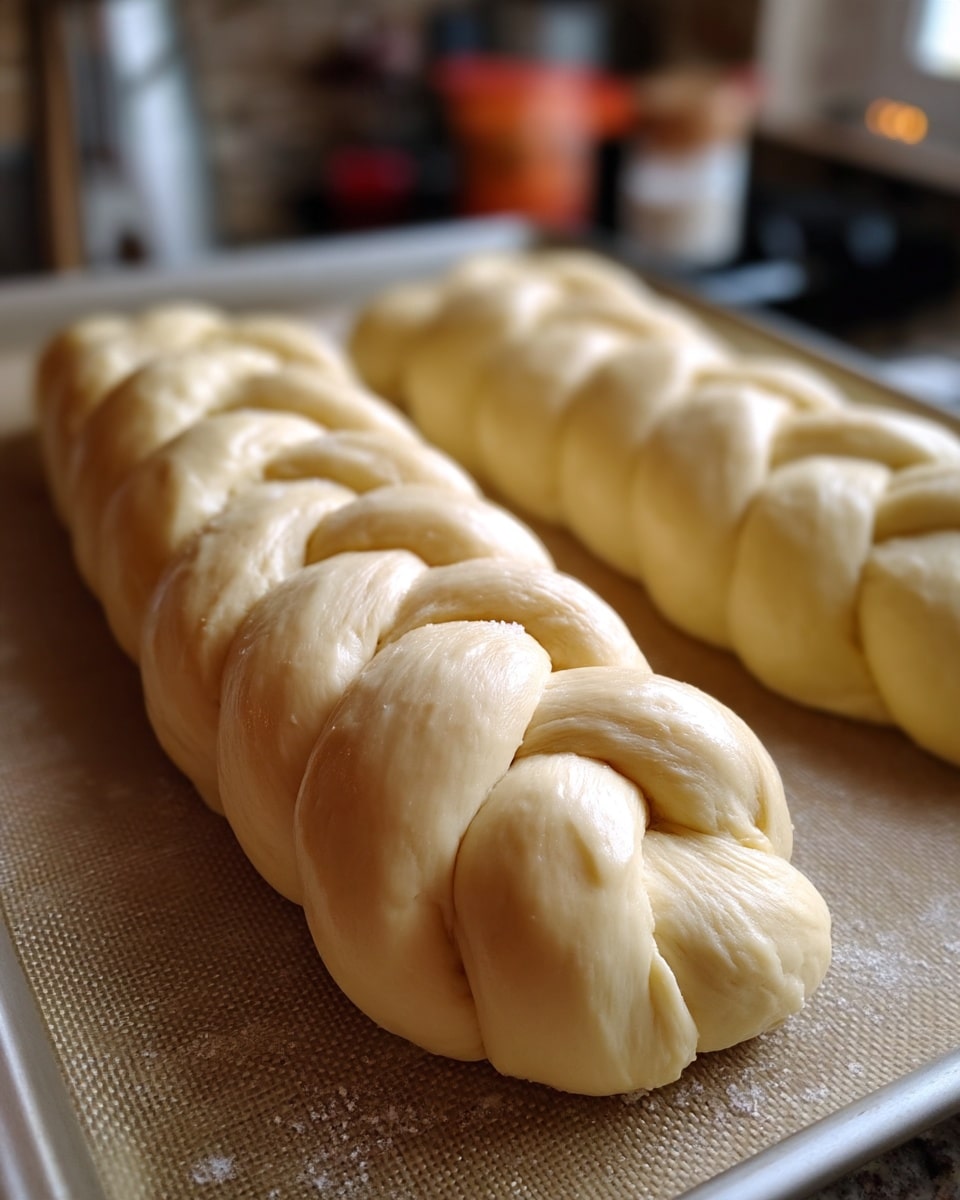
Beautiful presentation: The braided loaf looks impressive and tastes wonderful.
Ingredients
(Note: All ingredient amounts are listed in the recipe card below.)
Starter
1 C Sourdough Starter 220 g See Notes
Or
1 C Flour
½ C Water
¼ Tsp Active Dry Yeast
½ Tsp Sugar
For the Dough
4 C AP Flour 480 g Notes
1 Tsp Salt 7g
½ C Water 120 g
2 Tbsp Honey
2 Tbsp Oil
2 Eggs , large
Egg Wash
1 Egg
2 – 3 Tsp Water
Topping (Optional)
– 1 -2 Tsp Poppy seeds / Sesame seeds
Directions
Step 1: Prepare the Starter
I use an active, bubbly sourdough starter or prepare a yeast starter. For the yeast version, I dissolve sugar in warm water at 110°F (43°C), sprinkle in the yeast, and wait 5 minutes. I mix in the flour and let it rest for 20–30 minutes until bubbly.
Step 2: Mix the Dough
I beat the eggs in a large bowl, then add honey, oil, water, and starter. I mix in the salt and gradually add flour until a shaggy dough forms. I cover the bowl and refrigerate overnight or for up to 24 hours.
Step 3: Shape and Braid
I punch down the dough, fold it a few times, and transfer it to a floured surface. I divide it into three portions, roll each into a 14–18-inch rope, and braid them together.
Step 4: Let the Dough Rise
I cover the braided loaf with a damp towel or plastic wrap and let it rise for 30 minutes.
Step 5: Apply Egg Wash
I preheat the oven to 375°F (190°C). I whisk the egg with water, brush the loaf, and sprinkle sesame or poppy seeds on top if desired.
Step 6: Bake the Challah
I bake for 10 minutes, optionally brush with more egg wash, then reduce the temperature to 350°F (175°C). I continue baking for 30–40 minutes until golden brown and the internal temperature reaches 190°F (88°C).
Step 7: Cool and Serve
I transfer the loaf to a wire rack and let it cool before slicing.
Servings and Timing
Prep Time: 10 minutes
Cook Time: 40–50 minutes
Starter Preparation: 25–35 minutes if using the yeast starter
Refrigeration: Overnight or up to 24 hours
Final Rise: 30 minutes
Yield: 1 loaf
Course: Bread
Cuisine: American
Variations
Sesame Challah: I sprinkle sesame seeds over the egg wash.
Poppy Seed Challah: I add poppy seeds for a traditional finish.
Honey Challah: I add a little extra honey for a sweeter loaf.
Whole Wheat Challah: I replace part of the all-purpose flour with whole wheat flour.
Raisin Challah: I fold raisins into the dough for extra sweetness.
Storage/Reheating
Room Temperature: I store the cooled loaf in an airtight bag for up to 2–3 days.
Refrigerator: I avoid refrigerating the bread because it can dry out.
Freezer: I wrap the loaf tightly and freeze for up to 3 months.
Thawing: I thaw frozen challah at room temperature.
Reheating: I warm slices in a toaster or oven until soft and lightly toasted.
FAQs
1. Can I make challah without kneading?
Yes, I use an overnight resting method to develop the dough without traditional kneading.
2. Can I use sourdough starter?
Yes, I use active, bubbly sourdough starter for excellent flavor and texture.
3. Can I make challah without sourdough?
Absolutely. I prepare the alternative starter using flour, water, yeast, and sugar.
4. Why is my challah dense?
I make sure the starter is active and allow enough time for the dough to rise.
5. Can I prepare the dough ahead of time?
Yes, I refrigerate the covered dough overnight or for up to 24 hours.
6. How do I get a shiny crust?
I brush the loaf with egg wash before baking and optionally apply another coat after 10 minutes.
7. Can I use bread flour?
Yes, I can substitute good-quality bread flour for all-purpose flour.
8. How do I know when challah is baked?
I check for a hollow sound when tapping the bottom or an internal temperature of 190°F (88°C).
9. Can I freeze homemade challah?
Yes, I wrap the cooled loaf tightly and freeze it for up to 3 months.
10. What can I serve with challah?
I enjoy serving it with butter, jam, honey, or using it for sandwiches and French toast.
Conclusion
No Knead Challah is an easy and delicious way to enjoy homemade braided bread without complicated techniques. I love its soft texture, slightly sweet flavor, and beautiful golden crust. Whether I serve it fresh, toasted, or as French toast, this simple challah recipe is a wonderful addition to my baking routine.
No Knead Challah is a soft, fluffy, slightly sweet braided bread with a beautiful golden crust and tender interior. Made with a sourdough starter or simple yeast starter, this beginner-friendly homemade challah develops its wonderful texture through an overnight rest without traditional kneading.
Ingredients
For the Sourdough Starter Option:
1 cup active sourdough starter (220 g), bubbly and ready to use
OR For the Quick Yeast Starter:
1 cup all-purpose flour
1/2 cup warm water (110°F/43°C)
1/4 teaspoon active dry yeast
1/2 teaspoon granulated sugar
For the Challah Dough:
4 cups all-purpose flour (480 g)
1 teaspoon salt (7 g)
1/2 cup water (120 g)
2 tablespoons honey
2 tablespoons neutral oil
2 large eggs
For the Egg Wash:
1 large egg
2–3 teaspoons water
Optional Topping:
1–2 teaspoons poppy seeds or sesame seeds
Instructions
Prepare the starter: If using sourdough, measure 1 cup (220 g) of active, bubbly sourdough starter and ensure it is ready for baking. For the quick yeast starter, dissolve 1/2 teaspoon sugar in 1/2 cup warm water at approximately 110°F (43°C). Sprinkle in 1/4 teaspoon active dry yeast and let stand for 5 minutes. Stir in 1 cup flour until combined, then cover and let rest for 20–30 minutes until bubbly and slightly expanded. Use either starter option, not both.
Combine the wet ingredients: In a large mixing bowl, lightly beat the 2 eggs. Add the honey, neutral oil, 1/2 cup water, and prepared starter. Stir thoroughly until the ingredients are evenly combined.
Add the dry ingredients: Stir in the salt, then gradually add the 4 cups of all-purpose flour. Mix with a wooden spoon or sturdy spatula until a shaggy, slightly sticky dough forms and no dry flour remains. There is no need to knead the dough.
Refrigerate overnight: Cover the mixing bowl tightly with plastic wrap or a fitted lid. Transfer the dough to the refrigerator and allow it to rest overnight, or for up to 24 hours. This extended resting period helps develop the dough’s structure and flavor without traditional kneading.
Prepare the dough for shaping: Remove the dough from the refrigerator and allow it to sit briefly at room temperature if it is too firm to handle. Gently punch down the dough to release excess gas, then fold it over itself a few times to create a smoother surface.
Divide the dough: Transfer the dough to a lightly floured work surface. Divide it into 3 equal portions using a bench scraper or sharp knife.
Shape the ropes: Roll each dough portion into a long, even rope approximately 14–18 inches in length. Try to keep the ropes similar in thickness for an evenly shaped braided loaf.
Braid the challah: Place the 3 dough ropes parallel to one another and pinch their top ends together. Cross the right rope over the center rope, then the left rope over the new center rope. Continue alternating sides until the entire loaf is braided. Pinch and tuck both ends underneath to secure the braid.
Prepare for the final rise: Carefully transfer the braided challah to a baking sheet lined with parchment paper. Cover loosely with a damp kitchen towel or lightly greased plastic wrap.
Let the dough rise: Allow the braided loaf to rise at room temperature for approximately 30 minutes, or longer if needed, until visibly puffy. Dough made with sourdough starter or dough that is still cold may require additional rising time.
Preheat the oven: While the dough rises, preheat the oven to 375°F (190°C). Position an oven rack in the center.
Prepare the egg wash: In a small bowl, whisk together 1 large egg and 2–3 teaspoons water until smooth and evenly blended.
Brush and decorate: Gently brush the surface of the braided loaf with the prepared egg wash, making sure to coat the exposed sections of the braid. Sprinkle with sesame seeds or poppy seeds if desired.
Begin baking: Place the challah in the preheated oven and bake at 375°F (190°C) for approximately 10 minutes. If desired, carefully brush the loaf with another thin layer of egg wash for a deeper golden, glossy crust.
Finish baking: Reduce the oven temperature to 350°F (175°C) and continue baking for approximately 30–40 minutes, until the challah is deeply golden brown and fully baked. The internal temperature should reach approximately 190°F (88°C).
Check for doneness: Insert an instant-read thermometer into the thickest part of the loaf to confirm it has reached 190°F (88°C). Alternatively, gently tap the bottom of the bread; it should sound hollow when fully baked.
Cool the challah: Remove the loaf from the oven and transfer it to a wire cooling rack. Allow it to cool before slicing so the interior crumb can set properly.
Slice and serve: Cut the cooled challah into thick or thin slices as desired. Serve fresh with butter, jam, or honey, or use it for sandwiches, toast, and homemade French toast.
Notes
Choose one starter: Use either 1 cup (220 g) active sourdough starter or the quick yeast starter made with flour, water, yeast, and sugar. Do not combine both starter options.
Active sourdough starter: For the best results, use a recently fed sourdough starter that is bubbly, active, and capable of rising predictably. An inactive starter may produce a dense loaf.
Quick yeast starter: The yeast mixture should become bubbly and slightly expanded after resting for 20–30 minutes. If there is no visible activity, the yeast may be inactive.
Water temperature: Use warm water at approximately 110°F (43°C) for activating the dry yeast. Water that is too hot can damage the yeast.
No-knead method: The overnight resting period allows the flour to hydrate and gluten to develop naturally, reducing the need for traditional kneading.
Overnight refrigeration: Refrigerate the covered dough overnight or for up to 24 hours. The slow fermentation helps develop flavor and makes the dough easier to handle.
Allow enough rising time: The suggested 30-minute final rise is approximate. Cold dough and sourdough-based dough may need considerably longer to become visibly puffy. Judge readiness by the dough’s appearance rather than the clock alone.
Prevent dense challah: Make sure the starter is active, avoid adding excessive flour, and allow sufficient fermentation and proofing time before baking.
Flour measurements: For consistent results, measure the flour using a kitchen scale when possible. The recipe uses 480 g of all-purpose flour for the main dough, plus the flour contained in the selected starter.
Bread flour substitution: Replace the all-purpose flour with bread flour for a slightly chewier texture and stronger dough structure. The amount of water needed may vary slightly.
Whole wheat variation: Substitute up to 1 cup of the all-purpose flour with whole wheat flour. The dough may need a little additional water because whole wheat flour absorbs more moisture.
Sesame challah: Sprinkle sesame seeds generously over the egg-washed loaf before baking for a classic finish.
Poppy seed challah: Use poppy seeds instead of sesame seeds for a traditional appearance and subtle nutty flavor.
Honey challah: Add a little extra honey for a sweeter loaf. Avoid adding too much, as additional sugar can affect browning and fermentation.
Raisin challah: Fold raisins into the dough before shaping for a sweeter bread that is especially delicious for breakfast or French toast.
Shiny golden crust: Brush the loaf thoroughly with egg wash before baking. A second light coating after the first 10 minutes of baking can create a deeper golden color.
Prevent excessive browning: If the top becomes too dark before the center is fully baked, loosely cover the loaf with aluminum foil for the remaining baking time.
Internal temperature: Challah is fully baked when the center reaches approximately 190°F (88°C). An instant-read thermometer provides the most reliable results.
Braiding tip: Keep the dough ropes approximately equal in length and thickness, and avoid braiding too tightly so the loaf has room to expand during proofing and baking.
Make ahead: Prepare the dough the evening before baking and refrigerate overnight. Shape, proof, and bake the following day.
Room-temperature storage: Store completely cooled challah in an airtight bread bag or container at room temperature for up to 2–3 days.
Refrigerator storage: Avoid refrigerating baked challah when possible because refrigeration can accelerate staling and cause the bread to dry out.
Freezer storage: Wrap the cooled loaf or individual slices tightly in plastic wrap, then place in a freezer-safe bag. Freeze for up to 3 months.
Thawing: Allow frozen challah to thaw at room temperature while wrapped to help preserve moisture.
Reheating: Warm individual slices in a toaster or oven until soft and lightly toasted. A whole loaf can be gently warmed in a low oven before serving.
Serving suggestions: Enjoy with butter, fruit preserves, honey, cream cheese, or savory sandwich fillings. Leftover challah is excellent for French toast, bread pudding, and breakfast casseroles.
Dietary note: Challah is traditionally associated with Jewish cuisine. This recipe is classified as Vegetarian. For kosher preparation, use kosher-certified ingredients and appropriate equipment.
Nutrition: Nutritional values are approximate per slice based on 12 slices per loaf, using the quick yeast starter option. Values may vary depending on starter choice, flour brands, and slice thickness.