Why You’ll Love Quick Creamy Garlic Butter Shrimp Pasta Recipe
I keep coming back to this easy shrimp pasta recipe because it combines delicious flavors with a simple cooking process. Here are some of the reasons I enjoy making it:
Ready in 25 minutes: I can prepare this satisfying pasta dish quickly, making it ideal for busy weeknights.
Rich and creamy sauce: I love how butter, heavy cream, and freshly grated Parmesan create a smooth, luxurious sauce.
Tender, juicy shrimp: I cook the shrimp just until pink and opaque, keeping them succulent and flavorful.
Simple ingredients: I can make this delicious dinner with ingredients that are easy to find.
Restaurant-quality flavor: I enjoy creating a beautiful seafood pasta dish at home without complicated techniques.
Perfect for special occasions: I find this recipe elegant enough for date nights, family gatherings, or cozy dinners.
Easy to customize: I can add vegetables, spices, or different pasta shapes depending on my preferences.
Minimal cooking time: I love that the pasta and shrimp cook quickly, allowing me to have dinner ready without a long preparation process.
The combination of garlic, butter, cream, and Parmesan makes this recipe especially satisfying, while the fresh lemon juice adds just enough brightness to balance the richness.
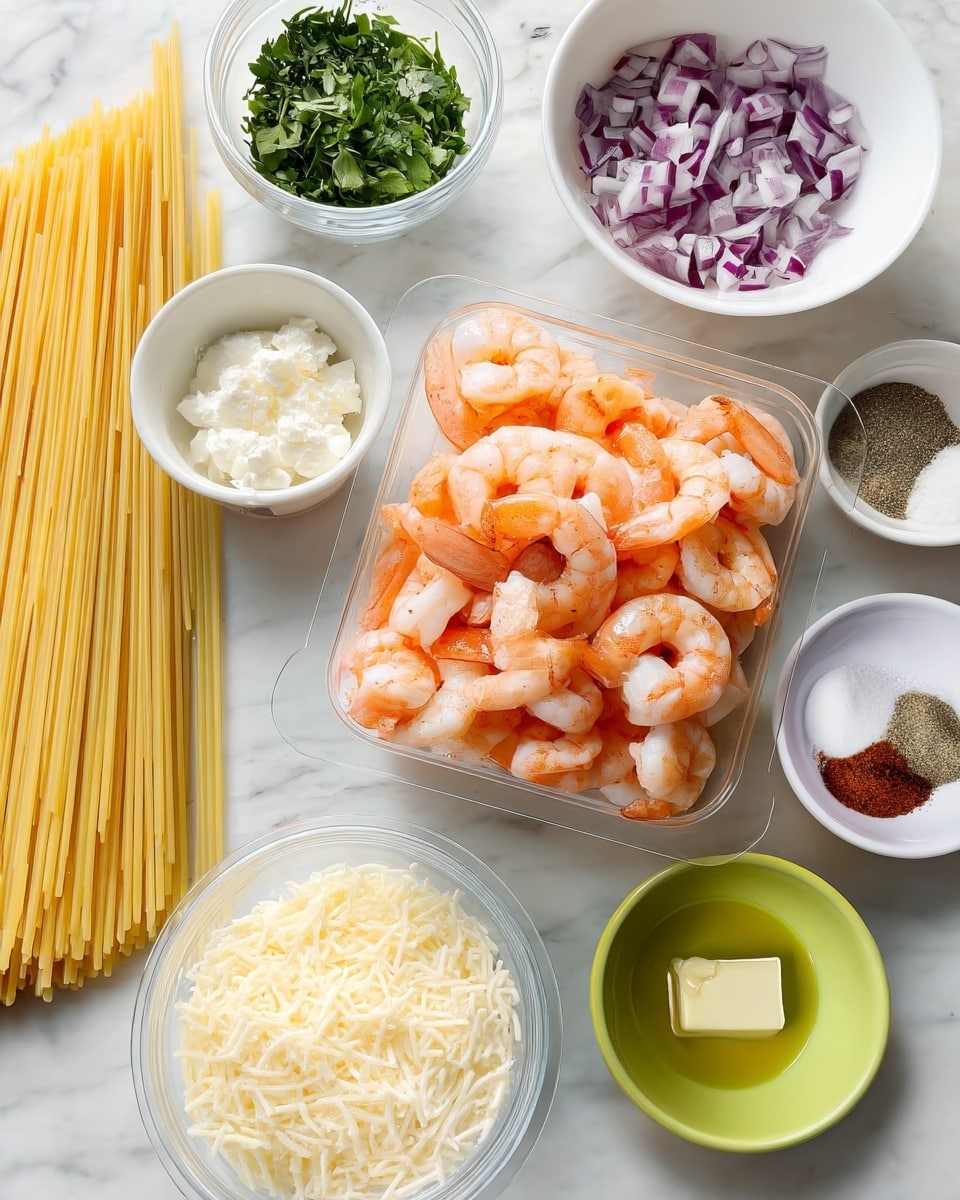
Ingredients
(Note: All ingredient amounts are listed in the recipe card below.)
1 pound large shrimp, peeled and deveined (fresh or frozen, thawed)
4 tablespoons unsalted butter, divided
4 cloves garlic, minced
1 cup heavy cream (240 ml)
1/2 cup freshly grated Parmesan cheese (50 g)
8 ounces linguine or fettuccine pasta (225 g)
1 tablespoon freshly squeezed lemon juice
Salt and pepper to taste
Optional: Fresh parsley, chopped for garnish
I prefer using large shrimp because they remain juicy and tender when cooked properly. Fresh shrimp work beautifully, but I also get excellent results with frozen shrimp that have been completely thawed.
I always recommend freshly grated Parmesan cheese because it melts more smoothly into the cream sauce than many pre-shredded varieties. I also like using freshly squeezed lemon juice because it adds a bright, refreshing flavor that complements the buttery garlic sauce.
Directions
Step 1: Cook the Pasta
I begin by bringing a large pot of generously salted water to a boil. Once the water is boiling, I add 8 ounces of linguine or fettuccine.
I cook the pasta according to the package instructions, usually about 9–11 minutes, until it reaches an al dente texture.
Before draining, I reserve approximately 1/2 cup of the pasta cooking water. I find this step especially important because the starchy water helps adjust the consistency of the cream sauce later.
I drain the remaining water and set the pasta aside while preparing the shrimp and sauce.
Step 2: Prepare the Shrimp
While the pasta cooks, I pat the peeled and deveined shrimp dry using paper towels.
I like removing excess moisture because it helps the shrimp cook evenly and develop a light sear instead of steaming in the skillet.
If I’m using frozen shrimp, I make sure they are completely thawed before drying them.
Step 3: Sauté the Garlic in Butter
I place a large skillet over medium heat and add 2 tablespoons of unsalted butter.
Once the butter melts, I add the minced garlic and cook it for approximately 30 seconds, stirring gently until fragrant.
I watch the garlic carefully because it can brown quickly and develop a bitter flavor.
I love how this step fills the kitchen with a wonderful buttery garlic aroma that forms the foundation of the sauce.
Step 4: Cook the Shrimp
I arrange the prepared shrimp in a single layer in the skillet and season them with salt and pepper.
I cook the shrimp for approximately 2–3 minutes on each side, depending on their size, until they turn pink and opaque.
I avoid overcrowding the skillet because I want the shrimp to cook evenly. When necessary, I cook them in batches.
As soon as the shrimp are cooked through, I remove them from the skillet and transfer them to a plate.
I always avoid overcooking shrimp because they can become rubbery when exposed to heat for too long.
Step 5: Prepare the Creamy Garlic Butter Sauce
I reduce the heat to medium-low and add the remaining 2 tablespoons of butter to the same skillet.
Once the butter melts, I slowly pour in 1 cup of heavy cream.
I stir gently while scraping up any flavorful browned bits from the bottom of the skillet.
I let the cream simmer for approximately 3–4 minutes, stirring occasionally, until it thickens slightly.
I keep the heat gentle because I want the sauce to become smooth and creamy without boiling aggressively.
Step 6: Add the Parmesan Cheese
Once the cream has thickened slightly, I stir in 1/2 cup of freshly grated Parmesan cheese.
I continue stirring until the cheese melts completely and blends into the sauce.
I love how the Parmesan adds a rich, savory flavor while helping create a smooth, velvety texture.
If the sauce becomes too thick, I know I can loosen it later with a small amount of reserved pasta water.
Step 7: Combine the Shrimp and Pasta
I return the cooked shrimp to the skillet and add the drained linguine or fettuccine.
Next, I pour in 1 tablespoon of freshly squeezed lemon juice.
I gently toss everything together until the pasta and shrimp are evenly coated with the creamy garlic butter sauce.
If the sauce seems too thick, I gradually add a splash of the reserved pasta water while tossing until I reach my preferred consistency.
I find that this technique helps the sauce cling beautifully to every strand of pasta.
Step 8: Season, Garnish, and Serve
I taste the finished pasta and adjust the seasoning with additional salt and pepper if necessary.
For a fresh finishing touch, I sprinkle chopped parsley over the top.
I serve the creamy garlic butter shrimp pasta immediately while the sauce is warm and silky.
I especially enjoy pairing this dish with a simple green salad or warm garlic bread for a complete and satisfying dinner.
Servings and Timing
I love how quickly this creamy shrimp pasta comes together. Even though it tastes like a restaurant-quality dish, I can prepare it in less than half an hour.
Detail
Time or Amount
Prep Time
10 minutes
Cook Time
15 minutes
Total Time
25 minutes
Servings
4 servings
Course
Main Course
Cuisine
Italian
I find that this recipe makes four satisfying servings, especially when paired with a fresh salad or roasted vegetables.
When I’m cooking for a larger group, I can double the ingredients and prepare the shrimp in batches to maintain their tender texture.
Variations
I enjoy experimenting with this creamy garlic butter shrimp pasta because the basic recipe is easy to customize. A few simple additions can create exciting new flavors while keeping the dish quick and delicious.
Spicy Creamy Garlic Shrimp Pasta
When I want a little heat, I add crushed red pepper flakes or a pinch of cayenne pepper to the garlic butter sauce.
I usually begin with a small amount and adjust the spice level according to my preference.
The gentle heat creates a delicious contrast with the rich, creamy sauce.
Creamy Shrimp and Spinach Pasta
I sometimes add a handful of fresh baby spinach to the cream sauce before returning the shrimp to the skillet.
I let the spinach wilt for a minute or two before adding the pasta.
I love how the spinach adds color, freshness, and extra vegetables without overpowering the garlic butter flavor.
Creamy Garlic Shrimp and Mushroom Pasta
When I want a heartier meal, I sauté sliced mushrooms in the skillet before preparing the cream sauce.
I cook the mushrooms until they become tender and lightly golden.
Their earthy flavor pairs beautifully with the shrimp, garlic, and Parmesan.
Lemon Garlic Butter Shrimp Pasta
For a brighter flavor, I increase the lemon juice slightly and add a little freshly grated lemon zest.
I enjoy how the citrus balances the richness of the butter and cream.
I add the lemon gradually so the finished sauce remains balanced rather than overly tart.
Creamy Cajun Shrimp Pasta
When I’m craving something bold, I season the shrimp with a little Cajun seasoning before cooking.
I find that the combination of smoky spices, garlic, and creamy Parmesan sauce creates a flavorful variation.
I adjust the added salt carefully because Cajun seasoning blends can already contain salt.
Creamy Garlic Butter Shrimp Pasta With Broccoli
I occasionally add lightly steamed broccoli florets to make the dish more filling.
I toss the broccoli with the shrimp and pasta during the final step so everything becomes coated in the creamy sauce.
This is one of my favorite ways to incorporate vegetables into the meal.
Different Pasta Shapes
Although I love linguine and fettuccine, I can also prepare this recipe with spaghetti, penne, or rigatoni.
I find that long pasta shapes create a classic creamy seafood pasta experience, while shorter shapes hold pockets of sauce.
Storage/Reheating
I prefer enjoying creamy garlic butter shrimp pasta immediately after cooking because the shrimp are most tender and the sauce has its smoothest texture.
However, I can store leftovers and reheat them carefully when needed.
Refrigerating Leftovers
I allow the pasta to cool slightly before transferring it to an airtight container.
I refrigerate the leftovers within two hours of cooking and store them for up to 3 days.
I find that the sauce naturally thickens as it cools, but adding a little liquid during reheating helps restore its creamy consistency.
Freezing Creamy Shrimp Pasta
I generally prefer not to freeze this dish because cream-based sauces can separate after thawing, and shrimp may become slightly rubbery.
If I need to freeze leftovers, I place them in an airtight freezer-safe container and use them within 1–2 months for the best quality.
I thaw the pasta overnight in the refrigerator before reheating it gently.
Reheating on the Stovetop
My favorite way to reheat creamy shrimp pasta is in a skillet over low heat.
I add a small splash of milk, cream, or water to loosen the sauce.
I stir gently until the pasta and shrimp are heated thoroughly, taking care not to overcook the shrimp.
I find that slow reheating helps maintain a smoother sauce and a more pleasant texture.
Reheating in the Microwave
When I need a faster option, I transfer a serving to a microwave-safe bowl.
I add a splash of milk or water and cover the bowl loosely.
I heat the pasta in short intervals, stirring between each interval until it is steaming hot throughout.
I make sure leftovers reach 165°F (74°C) before serving.
Preparing Ahead of Time
I sometimes peel and devein the shrimp, mince the garlic, grate the Parmesan, and measure the remaining ingredients in advance.
I keep the shrimp refrigerated until I’m ready to cook.
Although I can prepare the ingredients ahead of time, I prefer cooking the pasta and sauce fresh because this gives me the best flavor and texture.
FAQs
1. What Type of Shrimp Is Best for Creamy Garlic Butter Shrimp Pasta?
I prefer using large shrimp because they remain juicy and tender when cooked properly. I can use either fresh or frozen shrimp, as long as frozen shrimp are completely thawed before cooking. I also find that peeled and deveined shrimp make the preparation process much faster.
2. Can I Use Milk Instead of Heavy Cream?
I can substitute milk for heavy cream, but the sauce will be noticeably thinner and less rich. When I want a lighter alternative, I sometimes use half-and-half and simmer it gently. I avoid boiling lighter dairy products aggressively because they may separate.
3. How Do I Keep Shrimp From Becoming Rubbery?
I cook the shrimp for approximately 2–3 minutes per side, depending on their size, and remove them from the skillet as soon as they are pink, opaque, and cooked through. I avoid leaving them in the hot pan while preparing the sauce because overcooking is the main reason shrimp become tough.
4. Can I Make Creamy Garlic Butter Shrimp Pasta Without Parmesan?
Yes, I can prepare this pasta without Parmesan cheese, although the sauce will have a slightly different flavor and consistency. I may add a little extra seasoning to compensate for the missing savory flavor. I find that the butter, garlic, and cream still create a delicious sauce.
5. What Pasta Works Best With Creamy Garlic Butter Shrimp?
I especially enjoy linguine and fettuccine because their long strands hold the creamy sauce beautifully. I can also use spaghetti, penne, or rigatoni. I always cook the pasta until al dente so it maintains a pleasant texture when tossed with the sauce.
6. Why Is My Creamy Garlic Butter Sauce Too Thick?
When my sauce becomes too thick, I add a small splash of the reserved pasta cooking water and stir gently. The starchy water helps loosen the sauce while maintaining a smooth consistency. I add it gradually because too much liquid can make the sauce watery.
7. Can I Use Frozen Shrimp for This Recipe?
Absolutely. I often use frozen shrimp because they are convenient and easy to keep on hand. I thaw them completely in the refrigerator or under cold running water, then pat them dry before cooking. I avoid adding frozen shrimp directly to the skillet because excess moisture can interfere with searing.
8. What Can I Serve With Creamy Garlic Butter Shrimp Pasta?
I love serving this pasta with garlic bread, a fresh green salad, roasted asparagus, or steamed broccoli. I find that lighter side dishes help balance the richness of the creamy sauce. When I want a simple dinner, I serve the pasta on its own with a sprinkle of fresh parsley.
9. Can I Make This Shrimp Pasta Spicy?
Yes, I can easily add heat by incorporating crushed red pepper flakes, cayenne pepper, or Cajun seasoning. I usually add the spices while cooking the garlic or seasoning the shrimp. I prefer starting with a small amount and increasing it gradually until the flavor suits my taste.
10. Can I Double This Creamy Garlic Butter Shrimp Pasta Recipe?
Yes, I can double the ingredients when preparing dinner for a larger family or gathering. I cook the shrimp in batches to prevent overcrowding and use a large skillet or pot to combine the pasta and sauce. I also make sure to reserve enough pasta water to adjust the sauce consistency.
Conclusion
This quick creamy garlic butter shrimp pasta is one of my favorite recipes for creating a delicious, comforting dinner without spending hours in the kitchen. I love the combination of succulent shrimp, tender linguine, aromatic garlic, rich butter, and a smooth Parmesan cream sauce.
Quick Creamy Garlic Butter Shrimp Pasta is a rich, comforting, and delicious seafood dinner featuring tender, juicy shrimp tossed with linguine or fettuccine in a silky garlic butter Parmesan cream sauce. Made with fresh garlic, unsalted butter, heavy cream, Parmesan cheese, and a splash of lemon juice, this easy shrimp pasta delivers restaurant-quality flavor in just 25 minutes. Perfect for busy weeknights, family dinners, date nights, or special occasions, this creamy pasta recipe combines simple ingredients with incredible flavor.
Ingredients
1 pound large shrimp, peeled and deveined (fresh or frozen, thawed)
4 tablespoons unsalted butter, divided
4 cloves garlic, minced
1 cup (240 ml) heavy cream
½ cup (50 g) freshly grated Parmesan cheese
8 ounces (225 g) linguine or fettuccine pasta
1 tablespoon freshly squeezed lemon juice
Salt and freshly ground black pepper, to taste
Fresh parsley, chopped, for garnish (optional)
Instructions
Cook the Pasta: Bring a large pot of generously salted water to a boil. Add the linguine or fettuccine and cook according to the package directions, approximately 9–11 minutes, until al dente. Before draining, reserve about ½ cup of the starchy pasta cooking water. Drain the pasta and set aside.
Prepare the Shrimp: Pat the peeled and deveined shrimp dry with paper towels to remove excess moisture. If using frozen shrimp, thaw them completely before cooking. Drying the shrimp helps them develop a light sear instead of steaming in the skillet.
Sauté the Garlic: Place a large skillet over medium heat and melt 2 tablespoons of unsalted butter. Add the minced garlic and sauté for approximately 30 seconds, stirring frequently, until fragrant. Avoid browning or burning the garlic.
Cook the Shrimp: Arrange the prepared shrimp in a single layer in the skillet. Season with salt and freshly ground black pepper. Cook for approximately 2–3 minutes per side, depending on their size, until the shrimp turn pink, opaque, and are cooked through. Cook in batches if necessary to avoid overcrowding.
Remove the Shrimp: Transfer the cooked shrimp to a plate and set aside while preparing the sauce. Avoid leaving them in the hot skillet because overcooking can make shrimp tough and rubbery.
Prepare the Creamy Garlic Butter Sauce: Reduce the skillet heat to medium-low and add the remaining 2 tablespoons of unsalted butter. Once melted, slowly pour in the heavy cream. Stir gently while scraping the bottom of the skillet to incorporate the flavorful browned bits.
Simmer the Cream Sauce: Allow the cream to simmer gently for approximately 3–4 minutes, stirring occasionally, until slightly thickened. Keep the heat low enough to prevent vigorous boiling and maintain a smooth, creamy consistency.
Add the Parmesan Cheese: Stir the freshly grated Parmesan cheese into the warm cream sauce. Continue stirring until the cheese melts completely and the sauce becomes rich, smooth, and velvety.
Combine the Shrimp and Pasta: Return the cooked shrimp to the skillet and add the drained linguine or fettuccine. Pour in the freshly squeezed lemon juice and gently toss everything together until the shrimp and pasta are evenly coated with the creamy garlic butter sauce.
Adjust the Sauce Consistency: If the sauce becomes too thick, gradually add small splashes of the reserved pasta cooking water while tossing until the sauce reaches the desired consistency and coats the pasta evenly.
Season and Garnish: Taste the finished pasta and adjust the salt and black pepper as needed. Sprinkle with freshly chopped parsley for a fresh finishing touch, if desired.
Serve Immediately: Divide the creamy garlic butter shrimp pasta among four serving plates. Serve immediately while the sauce is warm and silky, optionally alongside garlic bread, a fresh green salad, or roasted vegetables.
Notes
Use large shrimp for the best combination of tender texture, juicy flavor, and quick cooking time.
Fresh or frozen shrimp can be used. Thaw frozen shrimp completely in the refrigerator or under cold running water before cooking.
Pat the shrimp dry with paper towels before adding them to the skillet to encourage a light sear.
Use peeled and deveined shrimp to reduce preparation time.
Cook shrimp for approximately 2–3 minutes per side, depending on their size, until pink, opaque, and cooked through.
Avoid overcrowding the skillet. Cook shrimp in batches if necessary to ensure even cooking.
Remove the shrimp from the skillet as soon as they are cooked to prevent a rubbery texture.
Use unsalted butter to control the overall seasoning of the dish.
Divide the butter into two portions: 2 tablespoons for sautéing the garlic and shrimp and 2 tablespoons for preparing the cream sauce.
Cook the minced garlic briefly, approximately 30 seconds, to release its aroma without burning.
Heavy cream produces the richest and smoothest sauce. Half-and-half can be used for a lighter version, although the sauce may be thinner.
Milk can replace heavy cream, but the finished sauce will be less rich and may require additional thickening.
Use freshly grated Parmesan cheese because it melts more smoothly than many pre-shredded varieties.
The Parmesan cheese can be omitted if necessary, although the sauce will have a different flavor and consistency.
Keep the cream sauce at a gentle simmer rather than a vigorous boil to prevent separation.
Reserve approximately ½ cup of pasta cooking water before draining the pasta.
Add reserved pasta water gradually if the sauce becomes too thick. The starch helps loosen the sauce while maintaining a creamy texture.
Cook linguine or fettuccine until al dente so the pasta maintains its texture when tossed with the sauce.
Spaghetti, penne, or rigatoni can replace linguine or fettuccine.
Use freshly squeezed lemon juice for a bright flavor that balances the richness of the butter and cream.
For Spicy Creamy Garlic Shrimp Pasta, add crushed red pepper flakes or a pinch of cayenne pepper to the garlic butter sauce.
For Creamy Shrimp and Spinach Pasta, stir fresh baby spinach into the cream sauce and allow it to wilt before adding the shrimp and pasta.
For Creamy Garlic Shrimp and Mushroom Pasta, sauté sliced mushrooms until tender and lightly golden before preparing the cream sauce.
For Lemon Garlic Butter Shrimp Pasta, add a little extra lemon juice and freshly grated lemon zest for a brighter citrus flavor.
For Creamy Cajun Shrimp Pasta, season the shrimp with Cajun seasoning before cooking. Adjust the salt because some Cajun seasoning blends already contain salt.
For Creamy Garlic Butter Shrimp Pasta With Broccoli, add lightly steamed broccoli florets during the final mixing step.
Serve with garlic bread, a fresh green salad, roasted asparagus, steamed broccoli, or other favorite vegetables.
This dish tastes best immediately after cooking, when the shrimp are tender and the sauce is smooth and creamy.
Store leftovers in an airtight container in the refrigerator for up to 3 days.
Refrigerate leftovers within 2 hours of cooking.
Freezing is not recommended for the best texture because cream-based sauces may separate and shrimp can become rubbery after thawing.
If freezing is necessary, store leftovers in an airtight freezer-safe container for up to 1–2 months for the best quality.
Thaw frozen leftovers overnight in the refrigerator before reheating.
Reheat leftover pasta gently in a skillet over low heat with a small splash of milk, cream, or water to loosen the sauce.
For microwave reheating, place an individual serving in a microwave-safe bowl, add a splash of milk or water, cover loosely, and heat in short intervals while stirring occasionally.
Heat leftovers thoroughly to an internal temperature of 165°F (74°C).
Avoid overheating leftovers because the shrimp may become tough and the cream sauce may separate.
For meal preparation, peel and devein the shrimp, mince the garlic, grate the Parmesan cheese, and measure the ingredients in advance.
Keep prepared shrimp refrigerated until ready to cook.
For the best flavor and texture, prepare the pasta and cream sauce fresh rather than cooking the entire dish ahead of time.
To double the recipe, double the ingredients, cook the shrimp in batches, and use a large skillet or pot to combine the pasta and sauce.
This recipe makes approximately 4 servings and is ready in just 25 minutes.