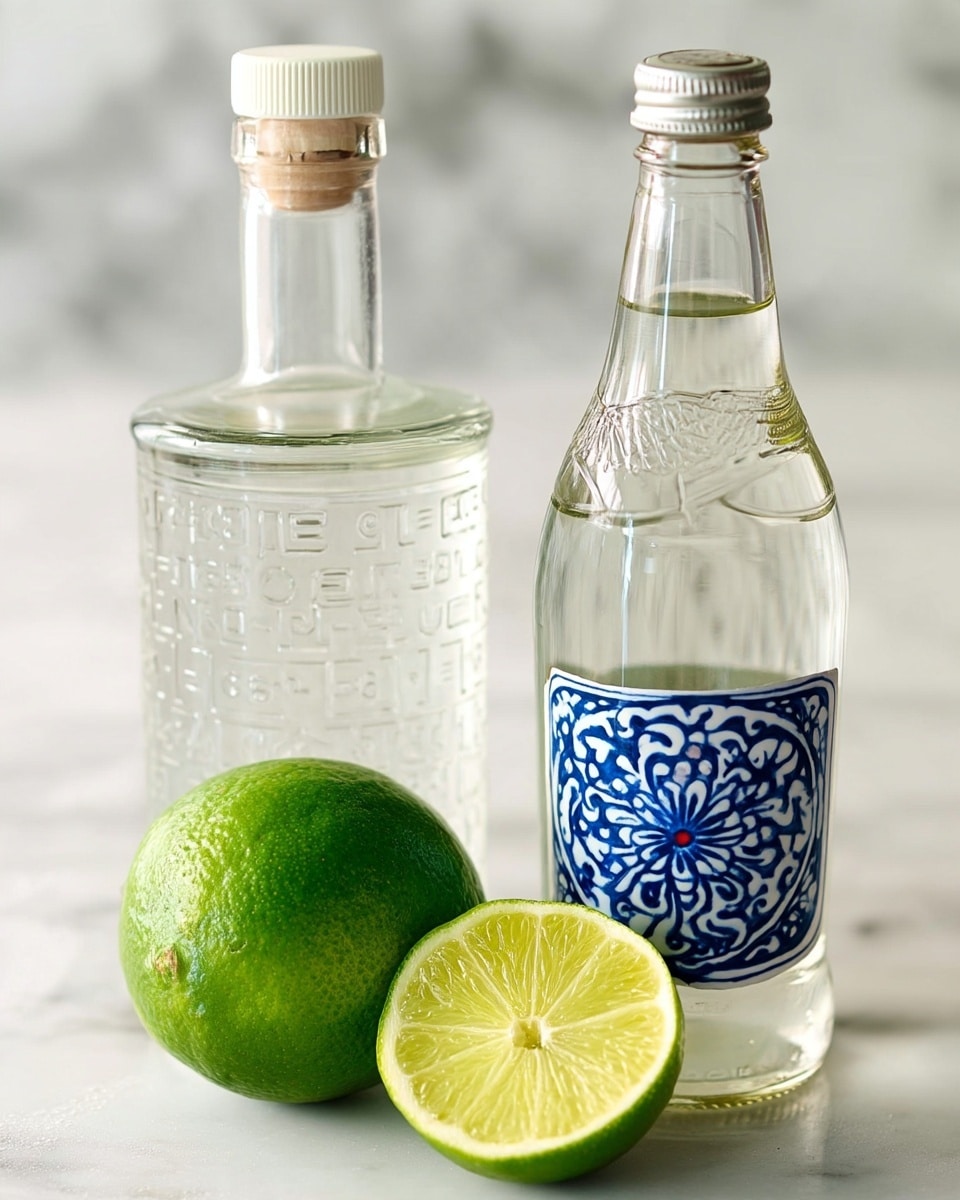
I love how incredibly simple this cocktail is to prepare. I do not need a cocktail shaker or any complicated equipment. I simply build the drink directly in a glass filled with ice and give everything a gentle stir.
I also enjoy the balance of flavors. Gin brings herbal, citrus, and juniper notes, while tonic water adds bubbles, subtle sweetness, and characteristic bitterness. Fresh lime brightens everything and gives the cocktail a clean, refreshing finish.
Another thing I appreciate about a Gin and Tonic is how easy it is to customize. I can change the gin, experiment with different tonic waters, increase the amount of lime, or add a simple garnish to create a slightly different drink each time.
Ingredients
(Note: All ingredient amounts are listed in the recipe card below.)
Gin
Tonic water
Lime
Directions
I start by filling a glass with ice. I pour the gin directly over the ice so it begins chilling immediately.
Next, I squeeze one fresh lime wedge over the gin and drop the wedge into the glass. I always use fresh lime because I find that it gives the cocktail a much brighter citrus flavor.
I slowly pour in the tonic water. Since tonic water is highly carbonated, I pour gently to preserve as much of the fizz as possible.
I squeeze a second lime wedge over the drink and drop it into the glass. Then I give everything a small, gentle stir to combine the gin, tonic, and lime without knocking out too much carbonation.
To finish, I garnish the rim with another lime wedge or a lime wheel. If I want a stronger citrus flavor, I squeeze the garnish over the cocktail before enjoying it.
Servings and Timing
I make this recipe as one individual cocktail, so it serves 1.
I usually need only about 5 minutes to gather my ingredients and assemble the drink. There is no cooking or extended preparation required, making it an especially quick cocktail to prepare.
Variations
I can easily change the personality of this cocktail by choosing a different style of gin. A citrus-forward gin gives me a brighter drink, while a more botanical or juniper-forward gin creates a more herbal flavor.
I sometimes switch the traditional tonic water for a lighter tonic when I want a less sweet cocktail. I can also experiment with flavored tonic waters to complement the botanicals in my chosen gin.
When I want extra citrus, I add additional fresh lime juice or garnish the glass with both lime wedges and thin lime wheels.
I can also add cucumber slices for a fresh, cooling variation. Cucumber works especially well for me when I am using a gin with floral or delicate botanical notes.
For an aromatic variation, I like adding a small sprig of rosemary, thyme, or mint. I use herbs sparingly so they complement rather than overpower the gin.
I can also replace some of the lime with fresh grapefruit or lemon when I want to explore a different citrus profile while keeping the basic cocktail simple and refreshing.
Storage/Reheating
I always make a Gin and Tonic immediately before I plan to drink it. Once tonic water is poured into the glass, it gradually loses carbonation, so I do not recommend preparing the finished cocktail far in advance.
I keep the gin stored according to the bottle directions and keep unopened tonic water ready for whenever I want to make the cocktail. I like chilling the tonic beforehand because it helps keep the finished drink colder without relying entirely on melting ice.
If I cut my lime ahead of time, I store the wedges in an airtight container in the refrigerator and use them while they are still fresh and juicy.
I do not reheat or freeze a Gin and Tonic. I serve it cold over plenty of fresh ice for the crispest flavor and best carbonation.
FAQs
What is a Gin and Tonic?
I make a Gin and Tonic by combining gin with carbonated tonic water and fresh lime over ice. I enjoy it for its refreshing balance of botanical, bitter, citrusy, and subtly sweet flavors.
What kind of gin should I use?
I prefer using a good-quality gin whose flavor I already enjoy. Because gin is one of only three ingredients in this cocktail, I find that its individual botanical character has a noticeable influence on the finished drink.
What is tonic water?
I think of tonic water as a carbonated mixer with a distinctive bitter flavor from quinine, balanced with sweetness. I use tonic water rather than plain sparkling water because its characteristic flavor is an essential part of the classic cocktail.
Can I use club soda instead of tonic water?
I do not use club soda when I want a traditional Gin and Tonic. Club soda is carbonated but does not have the distinctive bittersweet tonic flavor, so it creates a noticeably different cocktail.
Why should I use fresh lime?
I use fresh lime because it adds bright acidity and citrus aroma that balance the gin and tonic. I find freshly squeezed lime much livelier than bottled lime juice in such a simple cocktail.
How much ice should I use?
I like filling my glass generously with ice. Plenty of ice chills the ingredients quickly and helps me keep the drink cold while I enjoy it.
Should I stir a Gin and Tonic?
I give my Gin and Tonic a small, gentle stir after adding the ingredients. I stir only enough to combine everything because excessive stirring can cause the tonic to lose some of its carbonation.
What glass should I use for a Gin and Tonic?
I can serve my Gin and Tonic in a highball glass, rocks glass, or large balloon-style gin glass. I choose a glass with enough room for plenty of ice, the cocktail, and my lime garnish.
Can I prepare a Gin and Tonic ahead of time?
I prefer making it immediately before serving. Tonic water begins losing carbonation after opening and pouring, so freshly assembled drinks give me the liveliest bubbles and most refreshing result.
What can I use besides lime as a garnish?
I can experiment with lemon, grapefruit, cucumber, rosemary, thyme, or mint depending on the botanical character of my gin. I keep the garnish simple so I can still taste the gin and tonic clearly.
Conclusion
I love the Classic Gin and Tonic because it proves that I do not need a long ingredient list to make a refreshing cocktail. Gin provides botanical complexity, tonic water contributes lively bubbles and bittersweet flavor, and fresh lime brings everything together with a bright citrus finish.
This Classic Gin and Tonic is a crisp, bubbly cocktail combining botanical gin, bittersweet tonic water, and bright fresh lime. It is refreshing, simple, and ready in just a few minutes.
Ingredients
2 ounces gin
4 ounces tonic water, preferably chilled
3 fresh lime wedges
Ice, for serving
Instructions
Fill a highball, rocks, or balloon-style gin glass generously with ice.
Pour the gin directly over the ice.
Squeeze one fresh lime wedge over the gin and drop the wedge into the glass.
Slowly pour in the chilled tonic water to preserve as much carbonation as possible.
Squeeze a second lime wedge over the drink and add it to the glass.
Give the cocktail a small, gentle stir to combine without losing too much carbonation.
Garnish with the remaining lime wedge and serve immediately.
Notes
Use a good-quality gin that you enjoy, as its botanical character will have a noticeable influence on the finished cocktail.
A citrus-forward gin creates a brighter drink, while a juniper-forward gin provides a more herbal flavor.
Use chilled tonic water and plenty of fresh ice for a colder, more refreshing cocktail.
Pour the tonic gently and stir minimally to preserve its carbonation.
For variations, garnish with cucumber, lemon, grapefruit, rosemary, thyme, or mint.
Prepare the cocktail immediately before serving because tonic water gradually loses carbonation after opening.
Fresh lime wedges can be prepared ahead and stored in an airtight container in the refrigerator.